St Julian's
St.
Guests & rooms
The St Julian's guide
An insider’s read on St Julian's
SSt.
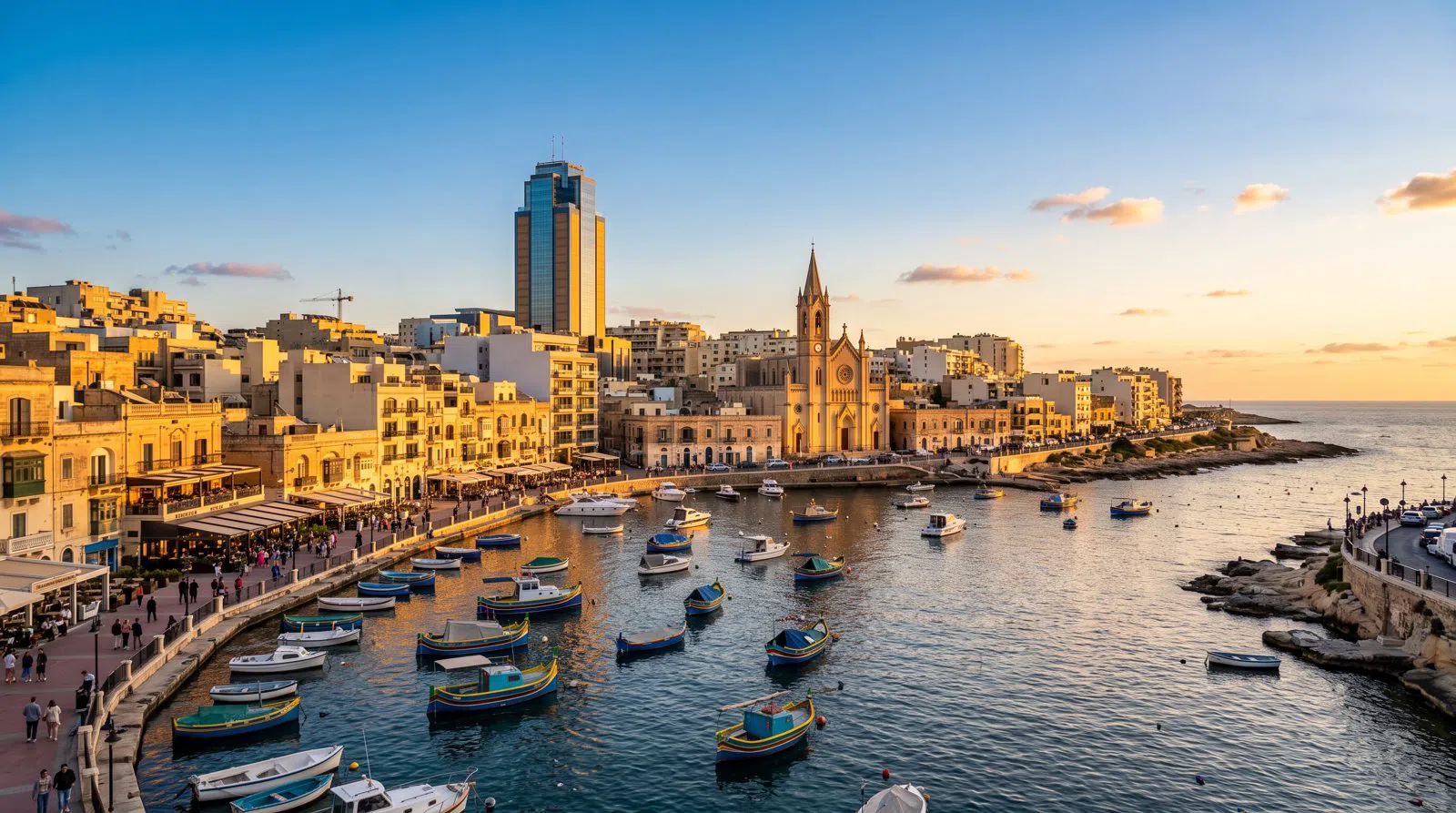
Originally a quiet coastal outpost centered around a chapel dedicated to Saint Julian, the town evolved into a summer retreat for wealthy Maltese families during the British colonial era. The mid-20th century triggered a commercial boom, transforming the rocky shoreline into Malta's primary entertainment and tourism hub. Today, the character is unapologetically commercial and fast-paced, though pockets of its maritime past still linger around the old boat slips of Spinola.
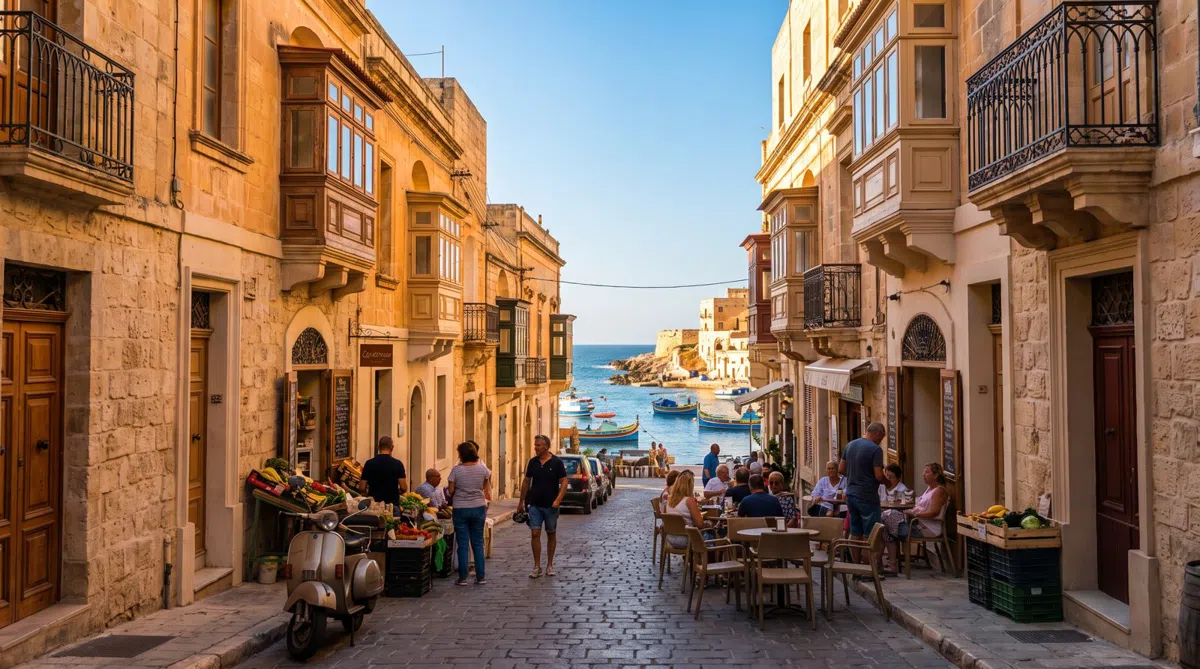
PLATE ISt Julian's, Malta
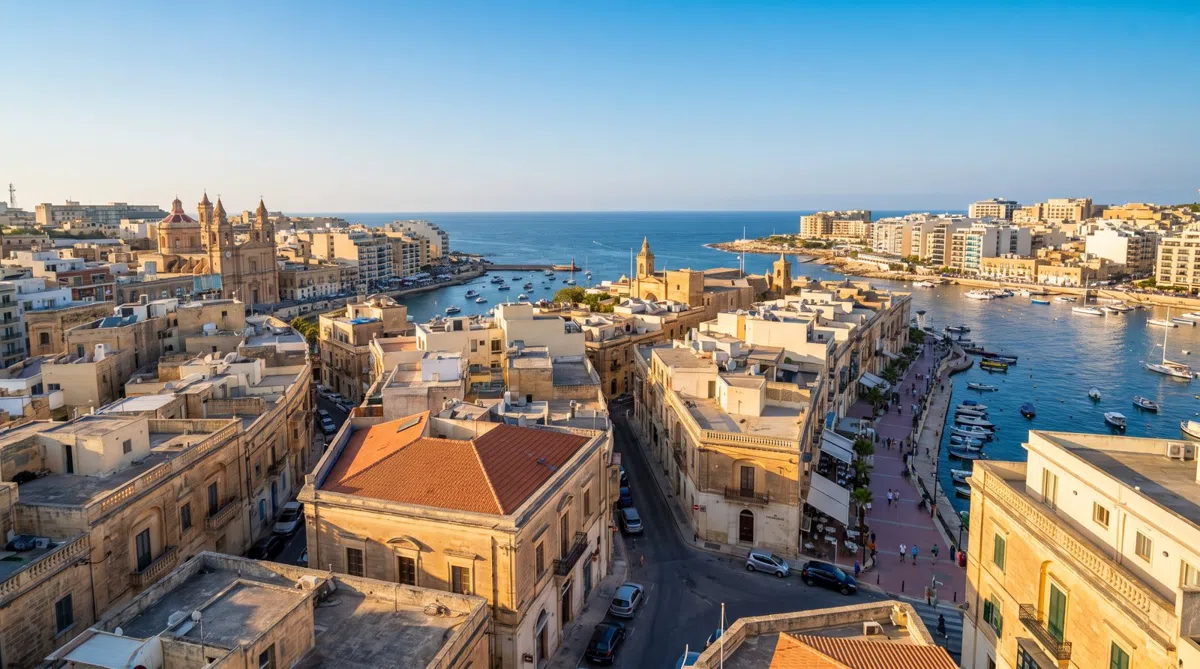
Guides & ideas
The St Julian's reading list
Hand-written guides from our editors — itineraries, the best of after dark, where to eat, and what’s genuinely worth your time.
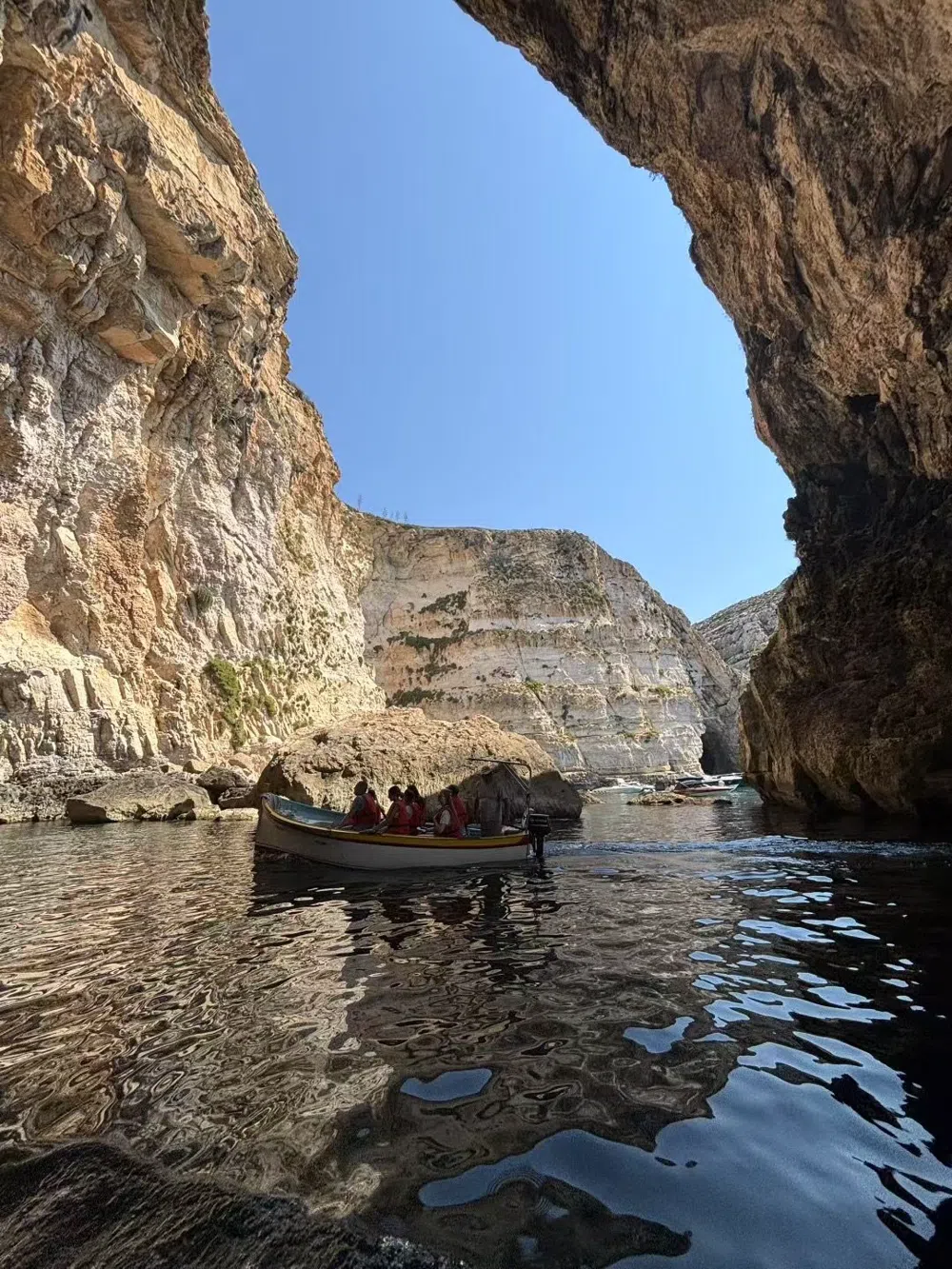
Beating the Blue Grotto Boat Queue from St Julian's
The boats at Wied iż-Żurrieq are walk-up only and cost about €10 in cash. The hour you arrive and the wind decide whether you get out at all, and where you join the quay decides how long you wait.
What to Do in St Julian's When the Rain Kills the Beach
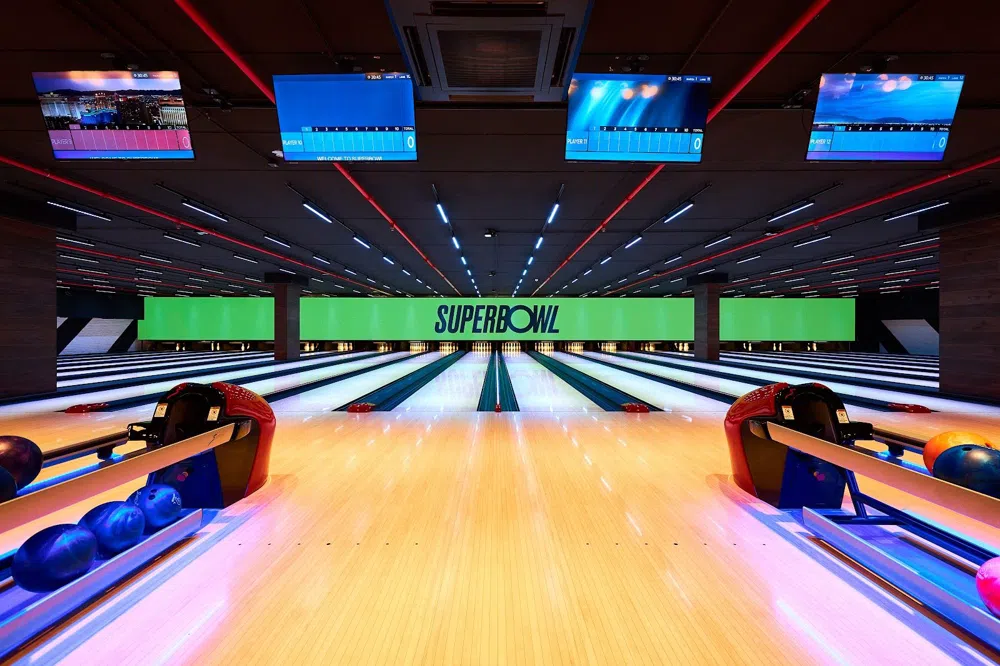
Fifteen indoor places in and around St Julian's that hold up when the bays go grey, with prices, opening hours, door policies and which ones will take a group.
Two Days in Malta from a Base in St Julian's
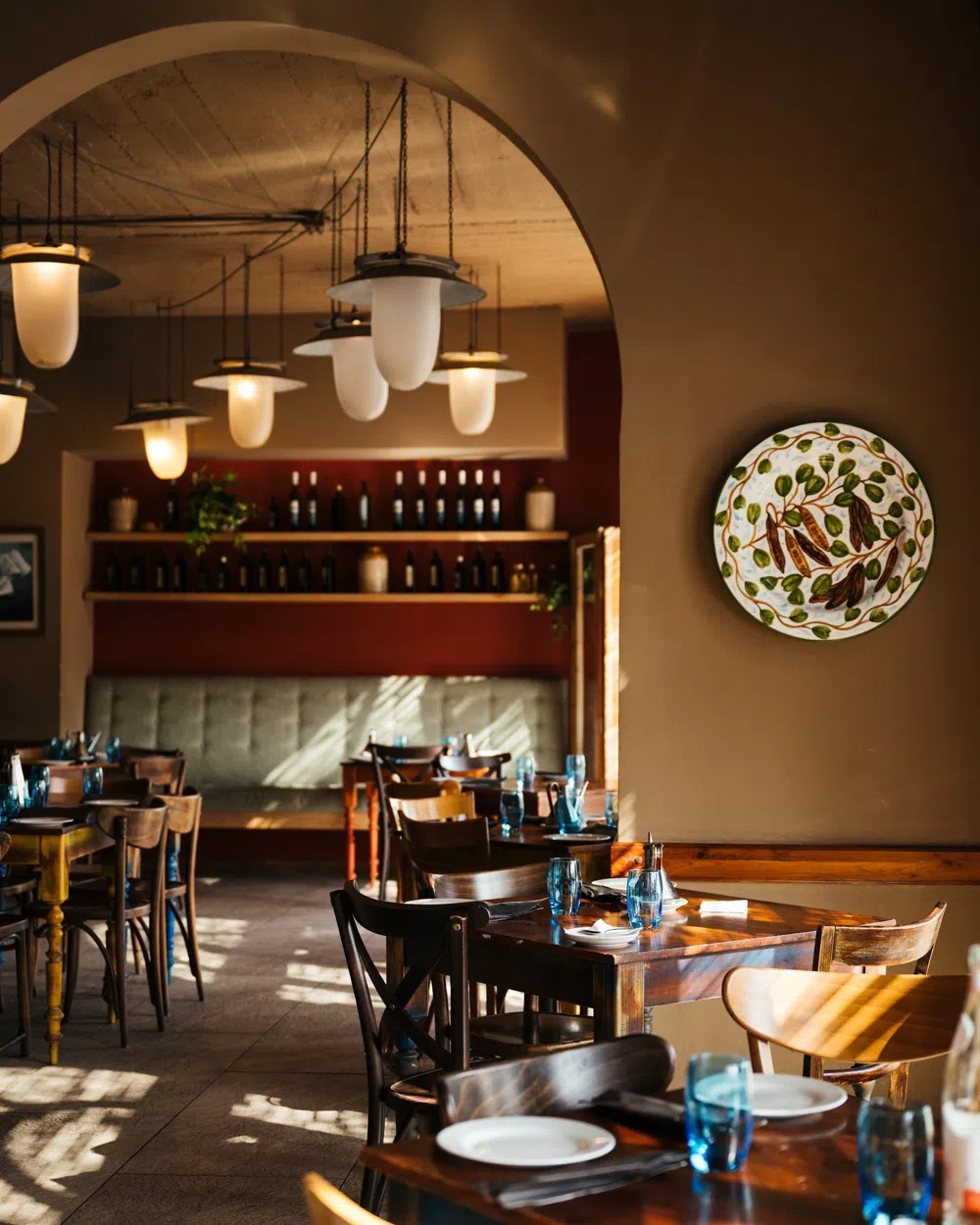
Forty-eight hours, one room on Spinola Bay and no hire car: where to swim, when the guns fire and which kitchens open on which days.

Getting Around St Julian's When the Coast Road Jams
Two rush hours clog St Julian's every day. This is the walk, the bus numbers and the five-minute ferry crossing that get you round them.

Mdina and Rabat in a Day from St Julian's
One walking route, three ways to get there, and the opening hours that decide the order you do it in.
St Julian's for Grandparents, Teenagers and Everyone Between
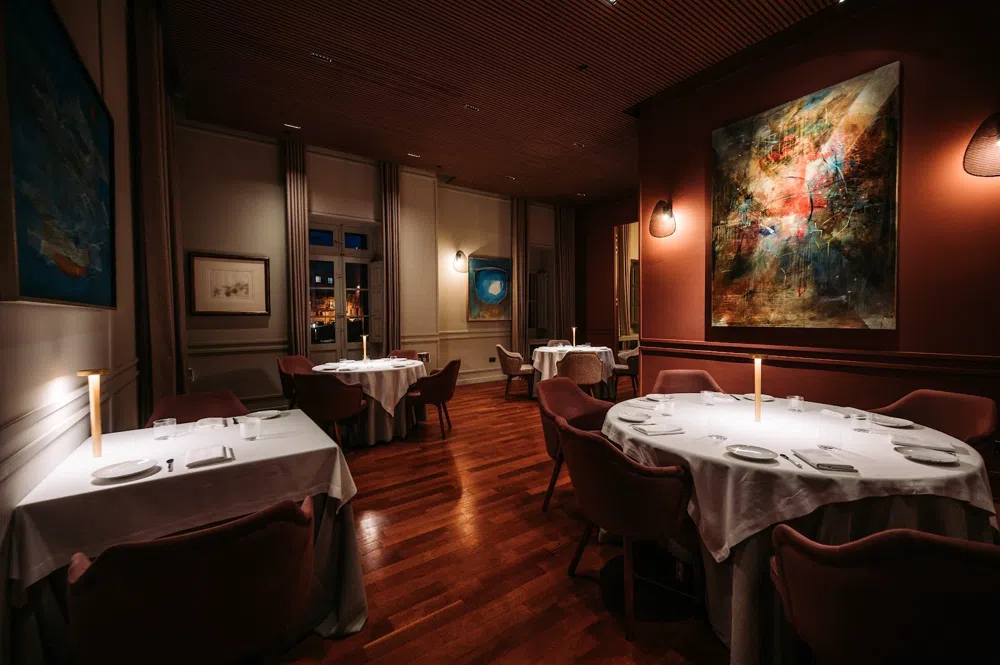
How to run a St Julian's trip when the group spans forty years: a flat waterfront, tables you can reach without steps, and sightseeing you can do sitting down.
Where to base yourself
The neighborhoods
01
Spinola Bay
For Dining enthusiasts and those who want classic coastal views, though it comes with high foot traffic and premium prices.
The scenic heart of the town, defined by its curved waterfront, traditional colorful luzzu boats, and waterfront dining terraces.
Where to stay — Upscale boutique hotels overlooking the bay or apartments set just one block back from the water.
02
Balluta Bay
For Travelers seeking a slightly calmer atmosphere while remaining within walking distance of the nightlife.
A more architectural and relaxed neighborhood, dominated by the neo-Gothic Parish Church and grand Art Nouveau apartment buildings.
Where to stay — Mid-range to luxury hotels situated around the main square and the rocky beach area.
03
Paceville
For Younger travelers and partygoers. The trade-off is constant noise, crowded streets, and a gritty late-night atmosphere.
The undisputed nightlife capital of Malta, packed with multi-story clubs, bars, strip clubs, and fast-food joints.
Where to stay — Budget hotels and party-oriented hostels, though light sleepers should look elsewhere.
04
Portomaso
For Luxury travelers seeking privacy, security, and high-end amenities away from the main tourist crowds.
An exclusive, modern marina development featuring luxury yachts, high-end apartments, and fine-dining establishments.
Where to stay — Five-star resort accommodation with private pool decks and marina views.
05
St. George's Bay
For Beach lovers and students, though the beach gets incredibly crowded during summer afternoons.
A busy sandy beach area surrounded by language schools, shopping malls, and large resort hotels.
Where to stay — Large international resort chains offering direct beach access or private lido decks.
06
Ta' Giorni
For Budget-conscious travelers and long-term visitors seeking peace and lower rental prices.
A quiet, residential neighborhood located uphill, away from the immediate coastline.
Where to stay — Residential apartments, guesthouses, and quiet boutique hostels.
Book direct
Book a hotel in St Julian's
Loading live availability and real-time prices…
Where to eat
Dining
Zeri's
€€€Portomaso
Overlooks the marina and is highly regarded for its consistent handling of fresh daily catches and Mediterranean classics.
Signature — Salt-crusted sea bass carved tableside.
Piccolo Padre
€€Balluta Bay
Housed in a converted 18th-century villa directly over the water, offering exceptional coastal views alongside fresh seafood.
Signature — Octopus carpaccio with local capers and olive oil.
Caviar & Bull
€€€€St. George's Bay
An upscale venue focusing on molecular gastronomy and high-end seafood presentation.
Signature — Ancient grain-crusted tuna with local honey glaze.
Sciacca Grill
€€€€St. Julian's
A unique concept where there is no set menu; diners choose their specific cuts of meat directly from the display counter.
Signature — Dry-aged ribeye cooked over charcoal.
Wigi's Kitchen
€€€Balluta Bay
A family-run bistro that sources premium beef globally, changing its menu daily based on market availability.
Signature — Slow-cooked USDA beef short ribs.
Lore & Fitch
€€€€Paceville
An elegant steakhouse overlooking Spinola Bay that specializes in premium cuts of Wagyu and Black Angus.
Signature — Tomahawk steak shared between two.
Gululu
€€Spinola Bay
The most accessible spot to try authentic Maltese dishes in a casual, waterfront setting.
Signature — Fenkata (traditional rabbit stew cooked with garlic and red wine).
The Avenue
€€Paceville
A long-standing local favorite known for its massive portions of pasta and casual Mediterranean dishes.
Signature — Spaghetti with rabbit sauce.
After dark
Nightlife
Havana
Paceville
A massive multi-room club that has been the anchor of the local hip-hop and R&B scene for decades.
Toy Room
Paceville
An international club brand offering a more polished clubbing experience with regular themed nights.
Shadow Club
Paceville
Features an open-air terrace area and a focus on house music, attracting a slightly older crowd.
TwentyTwo
Portomaso
Located on the 22nd floor of the Portomaso Tower, offering panoramic views over the entire island.
Hugo's Terrace
St. George's Bay
Directly faces the beach, offering comfortable outdoor sofas and a massive cocktail menu.
The Thirsty Barber
Paceville
A Prohibition-era themed bar serving highly creative craft cocktails in a detailed vintage setting.
Art & history
Culture
Balluta Buildings
Balluta Bay
One of the finest remaining examples of Art Nouveau architecture in the Mediterranean, featuring intricate stone carvings.
Parish Church of Our Lady of Mount Carmel
Balluta Bay
A striking neo-Gothic church that rises directly from the water's edge, defining the skyline of the bay.
Spinola Palace
Spinola Bay
A grand 17th-century palace built by the Knight Giovanni Spinola, featuring a well-kept public garden.
Book ahead
Top-rated experiences in St Julian's

Malta: Luxury Private Taxi Tours, Customize your itinerary
from $353

Full Day Private Tour around the Island in Malta
from $553

Half-Day Malta Highlights
from $782

Malta Sightseeing Tour licensed Taxi - flexible and personalized
from $271

The Farsons Brewery Experience Entry Ticket and Beer Flight
from $18

Half Day Private Tour In Malta Nicest Places
from $294

Valletta Private Historical and Cultural Walking Tour
from $318

Harbors and Knights of Malta. Private tour from Valletta port.
from $292
Prices from Viator; we may earn a commission when you book — at no extra cost to you. Tours are sold and operated by Viator, the merchant of record. Ratings are collected by Viator and Tripadvisor.
Timing
When to visit
Spring
April to May brings comfortable temperatures around 20°C, ideal for walking the promenade before the intense summer humidity arrives.
Summer
June to August is hot, dry, and crowded. Temperatures frequently exceed 30°C, making air conditioning essential and driving crowds to St. George's Bay.
Autumn
September and October feature warm sea temperatures and fewer tourists, though short, heavy rain showers become more common.
Winter
November to March is quiet and windy. Many outdoor venues close, but accommodation prices drop significantly.
What it costs
Budgeting
Logistics
Getting around
From the airport
The TD2 express bus runs directly from Malta International Airport to St. Julian's. Alternatively, local ride-hailing apps like Bolt, eCabs, and Uber offer direct transfers taking approximately twenty to thirty minutes depending on traffic.
Public transit
Malta Public Transport operates a network of buses connecting St. Julian's to Valletta, Sliema, and northern ferry terminals. Buses can get crowded and delayed during peak summer hours.
Passes & tickets
The Tallinja Card offers multi-day or multi-ride options, which are highly cost-effective if you plan to use the bus network daily.
On foot
The coastal promenade is highly walkable and flat, linking St. Julian's directly to Sliema. However, walking inland requires navigating steep hills and narrow, uneven pavements.
Travel smart
Safety & etiquette
Local etiquette
- •When visiting churches, ensure your shoulders and knees are covered; wraps are often provided at the entrance.
- •Tipping of 10% is customary in sit-down restaurants if a service charge is not already included.
From the ground
Practical tips
1
Download ride-hailing apps like Bolt or eCabs before arriving; they are far cheaper and more reliable than traditional street taxis.
2
Buy a Tallinja card at the airport if you plan to use the bus network; it saves money and hassle with cash fares.
3
Wear sturdy shoes; the streets leading inland from the bays are incredibly steep and can get slick when wet.
4
Book weekend dinners in Spinola Bay well in advance, as waterfront tables are highly sought after by locals.
5
Be prepared for slow bus journeys during the summer peak hours due to heavy coastal traffic.
St Julian's FAQs
Is the tap water safe to drink in St. Julian's?
Yes, the tap water is safe to drink, but it is desalinated seawater and has a distinct, heavily chlorinated taste that most visitors dislike. Bottled or filtered water is widely preferred.
Can you swim in St. Julian's?
Yes, you can swim at the sandy beach of St. George's Bay, or join locals diving off the flat rocks along the promenade in Balluta Bay.
Is Paceville too noisy to stay in?
Yes, if you value quiet sleep. If you prefer peaceful nights, book accommodation in Balluta Bay or Portomaso instead of central Paceville.