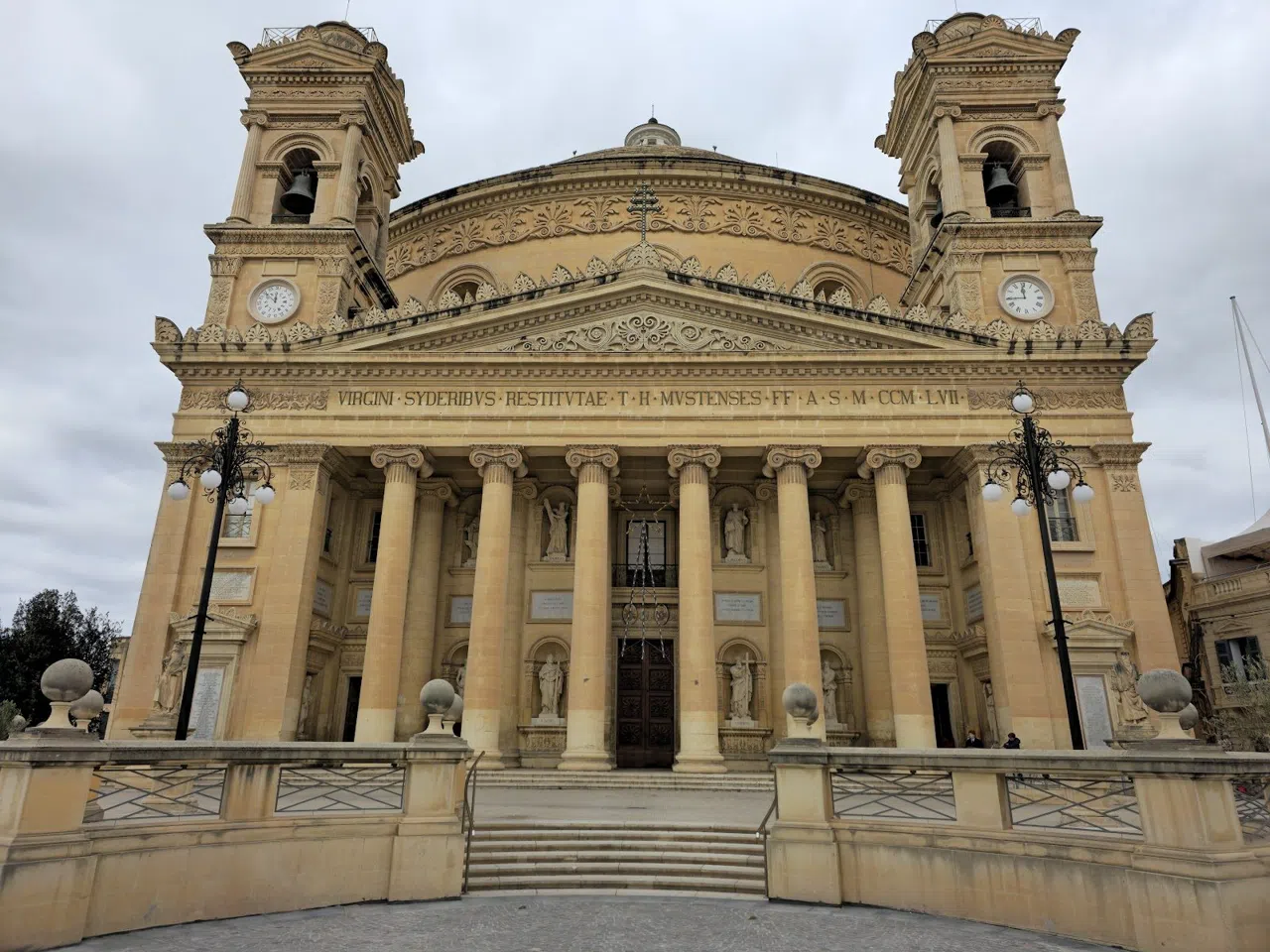

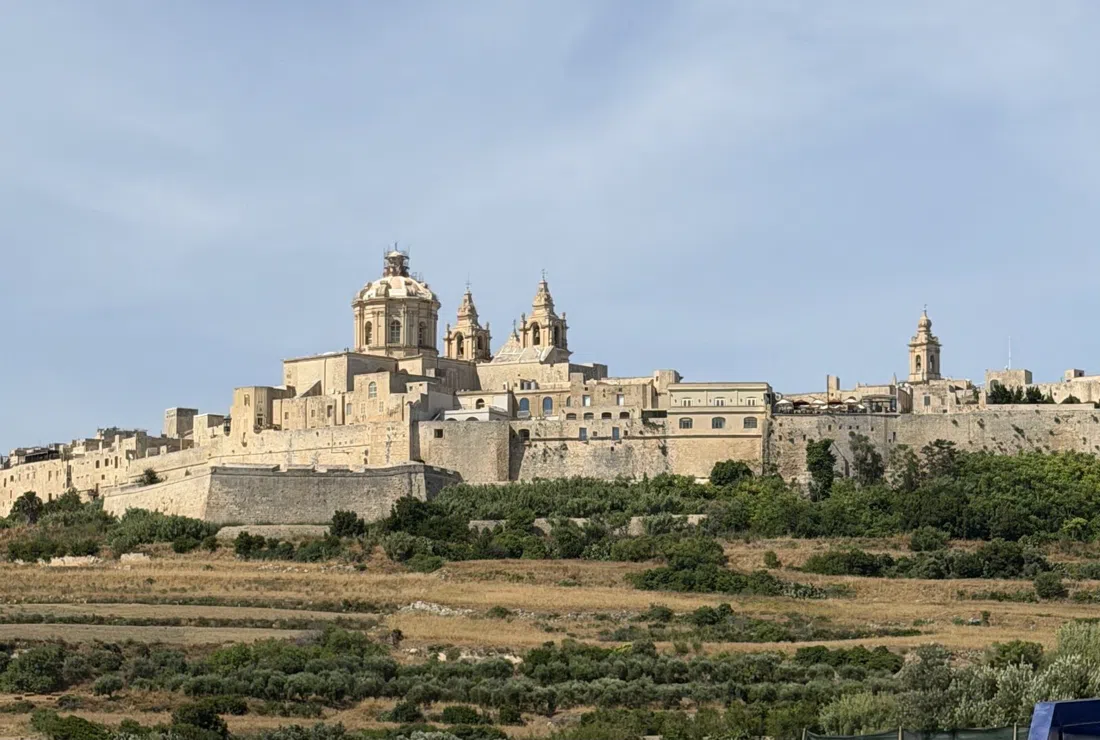
The road into Mosta bends, the shopfronts thin out, and the dome arrives all at once: grey limestone, too wide for the street to frame, a lantern on top with birds turning around it. Inside, the noise of the square drops away and the ceiling opens above you in painted rings. Over your shoulder, in 1942, a bomb came through that ceiling during Mass and did not explode.
This is a half-day out of St Julian's rather than a whole one, and it works best if you treat the church as the anchor and build a walking route around it. What follows is that route, in the order you would actually do it, with the opening hours and the door prices that decide how the day goes.
What you are actually standing under
The Rotunda of Mosta (Basilica of the Assumption, on the main square) is a round church behind a flat portico, and the dome over it is the third-largest unsupported dome of its type. Unsupported is the part that matters when you are underneath it. No ring of pillars carries the weight down through the middle of the floor, so the interior is one open drum, and you can stand at the centre, put your head back, and see the whole thing at once. The coffered rings step upwards in gold and blue and narrow towards the lantern, which is where all the daylight comes from. In the morning that light lands on one side of the drum and moves across it while you are standing there.
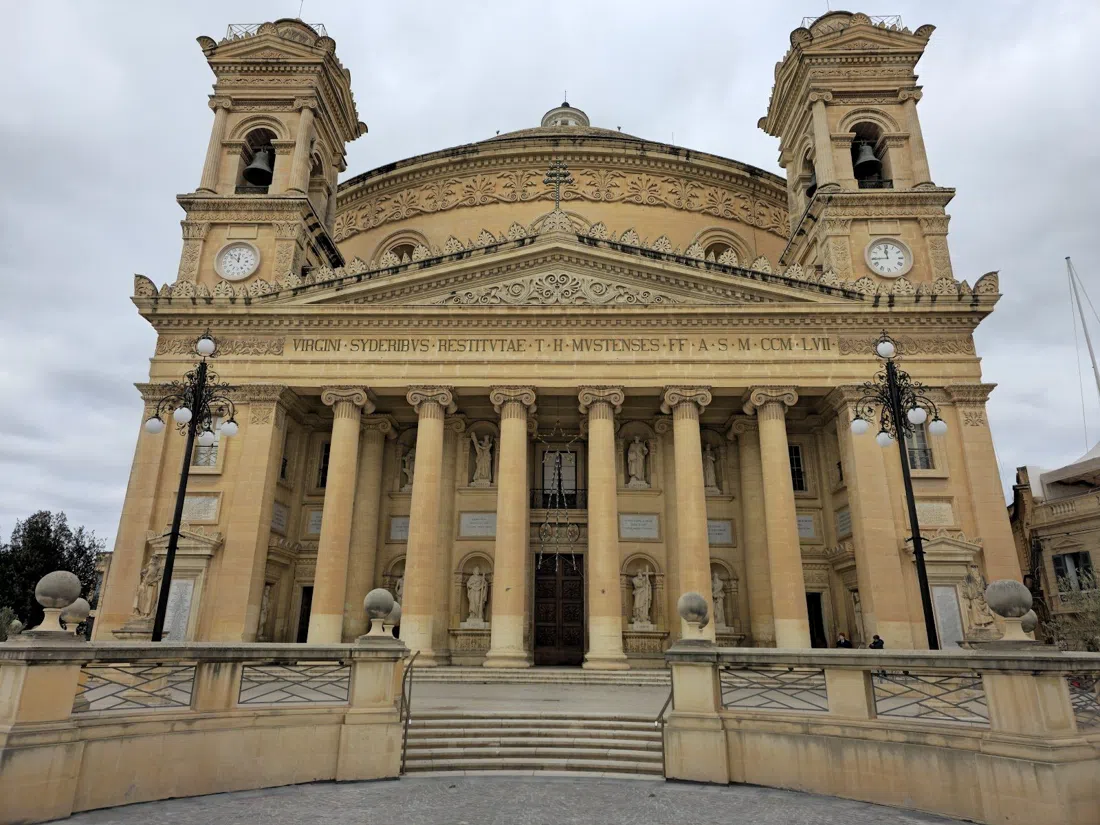
The bomb story is told inside, plainly, without much staging. It came through the dome during a service with the congregation in the building, hit the floor, and failed to detonate. The church does not oversell it, and the telling is better for that. Give yourself a few minutes to look at where it entered rather than reading the panel and moving on. The scale of the drum is the point, and it takes a moment to register how far the thing fell.
What the two tickets cover and how long to allow
There are two prices at the desk. Five euro gets you the basilica itself, the wartime shelter cut beneath it, the inner balcony that runs around the base of the dome, and an audio guide you listen to on your own phone, so bring earphones. Eight euro is the full experience, adding the Church Museum, the crypt and the dome walk.
The extra three euro is the better buy for most people. The inner balcony on the cheaper ticket already gets you up off the floor and looking down into the drum, but the dome walk is the one that changes your sense of the building, and the crypt and museum are where the parish keeps the objects that fill in the rest of the story. The shelter is low, rock-cut and cool, and it does more to explain the siege years than any caption in the nave.
Forty-five minutes covers the five-euro version at an unhurried pace. Ninety minutes covers the eight-euro one properly, including time standing still. If you are the sort of traveller who reads everything, take the ninety.
This is a working parish church, and it closes to sightseers during Mass, which catches more visitors than anything else here. Services are frequent. If you arrive and the doors are open but nobody is selling tickets, that is what is happening: wait it out on the square rather than walking in with a camera.
Getting there from St Julian's
The scheduled service bus is the cheap option and the one most independent travellers should take. Routes run inland from the St Julian's corridor through to Mosta, and the fare is a fraction of anything else. Check the current route numbers and timetable on the national operator's planner on the day you travel, because the numbers on the inland runs get reshuffled between seasons and a bus number printed in a guide is a bus number worth distrusting. Journey time is short but not direct, so expect the bus to work its way through several towns rather than take a straight line.
City Sightseeing Malta — North Route (open-top hop-on hop-off, boarding from the coastal stops) is the alternative if you want to be put down at the basilica without reading a timetable. A one-day north-route ticket runs roughly €20–25, there is no per-stop booking, and there is a stop at the church. It suits people combining the dome with two or three other stops in one day, and it suits anyone travelling with someone who does not want to change buses. It does not suit anyone counting euros: the service bus does the same job for a few coins, without the commentary.
If you drive, park before you reach the square rather than circling it. On Mondays, do not attempt it at all, for the reason set out below.
Tickets at the door or a guided visit booked ahead
Walking up and paying at the desk is normal and works on most days. The Foundation that runs the basilica also operates booked guided visits, in one-hour and two-hour formats, and larger coach parties stop here routinely, so expect the floor to be busy in bursts rather than steadily. A group arrives, the drum fills with voices, and ten minutes later it is quiet again.
There is also a guided full-day option that takes in the dome as part of a wider itinerary, which is the sensible choice if you have no car and want several sites in one go. Booking ahead matters more for that than for the church. Those departures run six days a week, Monday to Saturday, and start from 355 USD per person, so it is a considered purchase rather than a casual add-on. Some dates have already gone: departures are fully sold out on 19, 21, 24, 25 and 29 September and 2 October 2026, with other dates still bookable. If your trip falls on one of those, look at the day either side rather than assuming the week is gone.
Eating on the square without leaving the dome behind
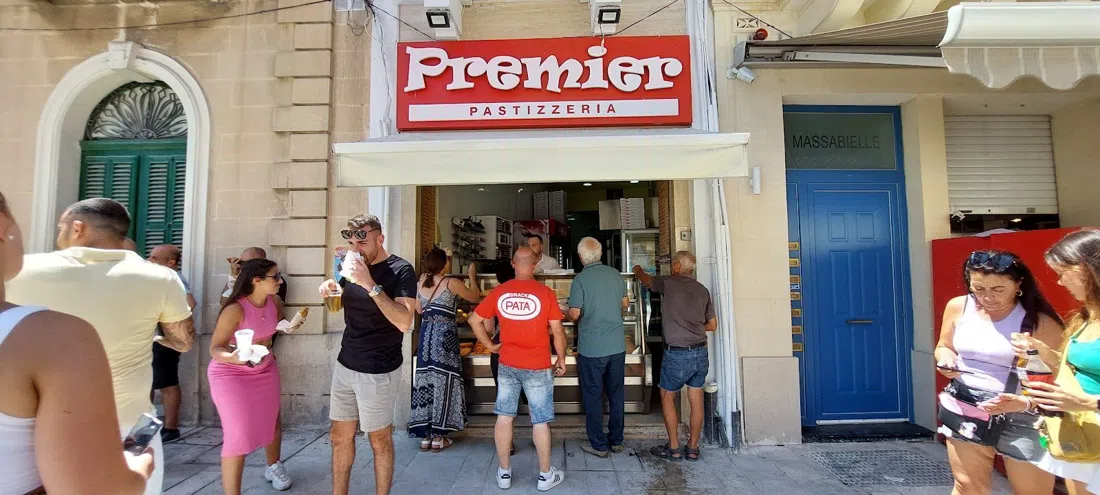
The Premier Pastizzeria (on the square, counter service only) opens early and is the honest first stop if you get to Mosta before the church does. Pastizzi are well under a euro each, filled snacks run €1–3, and there is nowhere to sit, which is fine: a group can take a bag of them out onto the square and eat standing up. It is the cheapest genuinely Maltese thing you will eat on the trip.
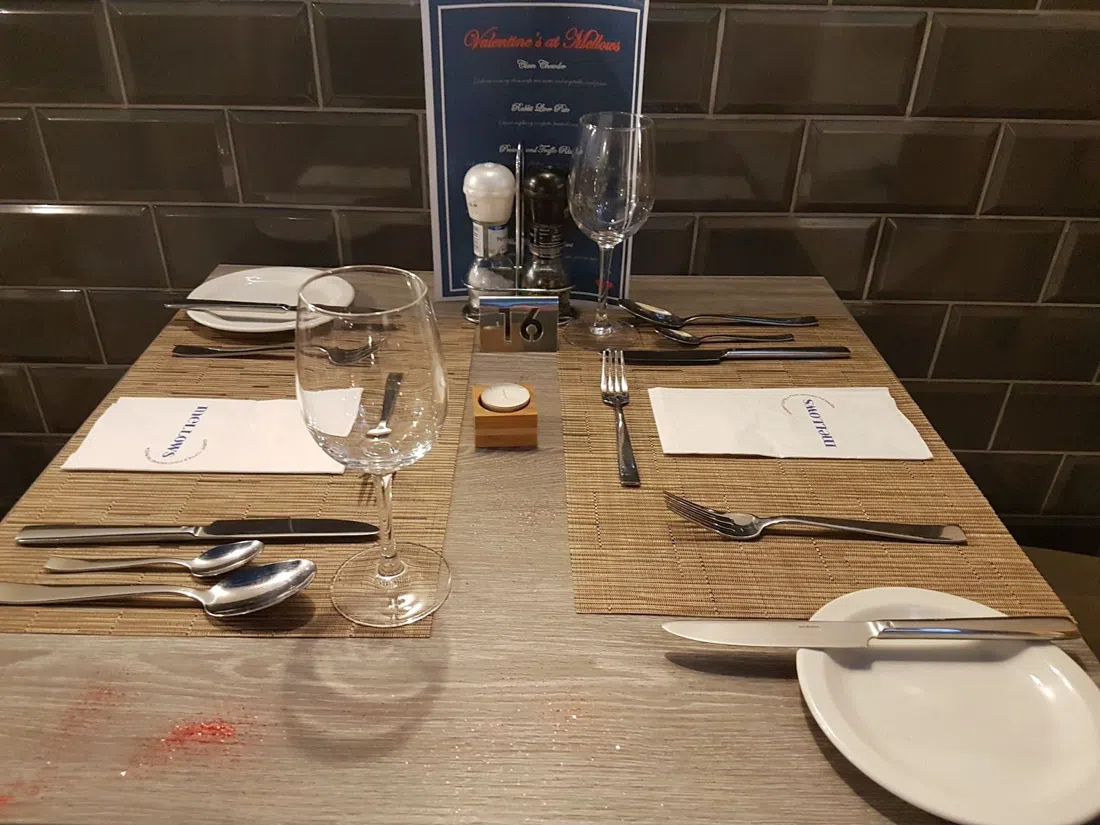
Mellows (right on the square) is the sit-down version. Long hours, Mediterranean and Maltese plates in generous portions, proper vegetarian options rather than an afterthought, coffee at €2–3 and lunch mains at €10–18, which are inland prices rather than coastal-resort ones. Walk-ins are fine and they are used to families and small groups, but call ahead for anything over about eight.
The Dome Visitors Centre (facing the basilica) is the one place in town where you can sit with a drink and have the dome filling the view. Coffee and snacks run €3–12, the cafeteria seats around sixty, and there is a hall and a roof restaurant used for coach parties and functions, so it can feel like a group venue when one is in. Its Mosta Sera evenings run Tuesdays and Fridays from July to September, 19:00–23:00, and bundle the dome, the shelter and the inner balcony with a drink, nibbles and live music for €10 for adults, €3 for children aged 6–12, and free under six. If your dates line up, that is a better evening than a daytime visit plus a separate dinner.
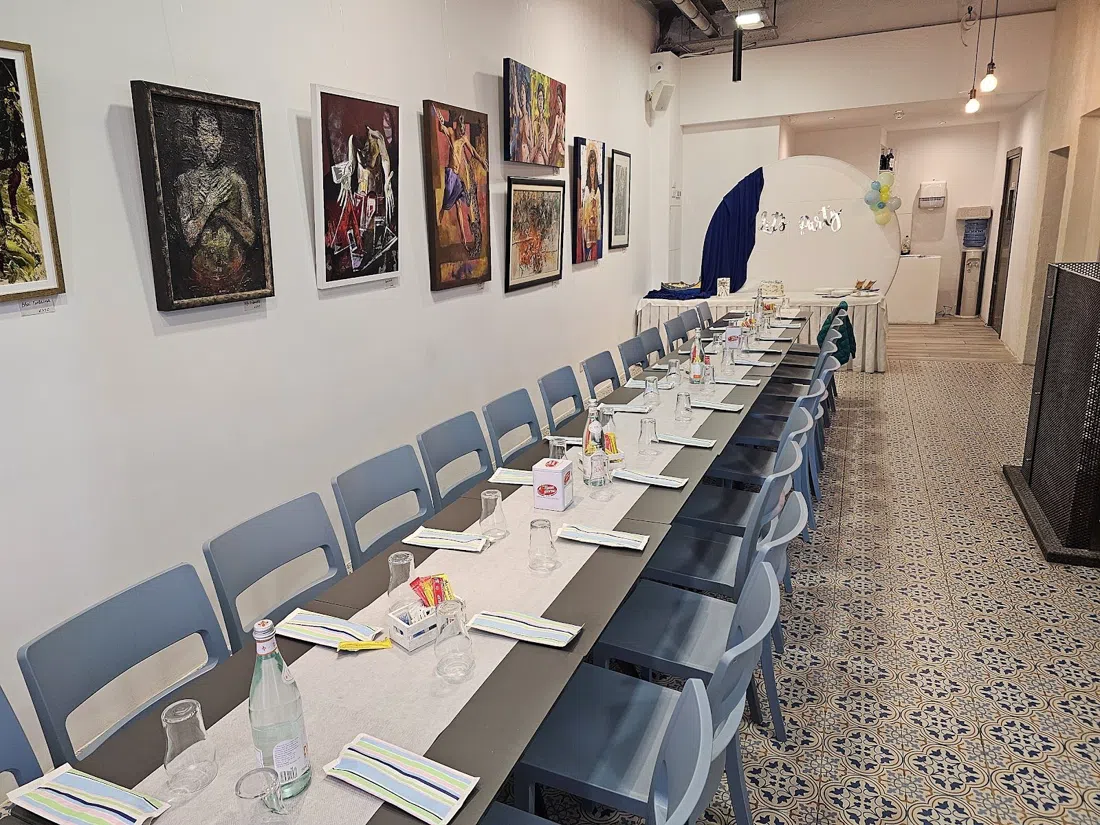
Ta' Marija Restaurant (five minutes on foot from the Rotunda) is the standard evening pairing with a daytime dome visit. À la carte mains are roughly €15–28; the folklore dinner show is €25–45 a head and runs Fridays year-round and Wednesdays from April to November, 19:30–22:30. They rearrange the seating for anything from a coach party to a gala dinner, which tells you what kind of room it is. It is not a quiet table for two, and the folklore nights fill, so book ahead. Couples who want the food without the show should come on a night when neither runs.
A walk out of the square
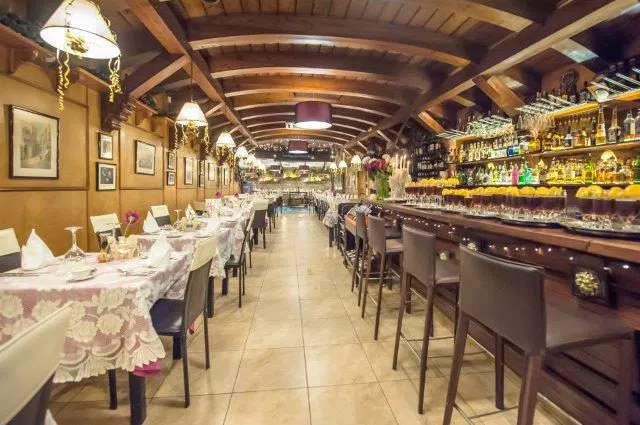
Fifteen minutes on foot from the square brings you to the Chapel of St Paul the Hermit, Wied il-Għasel (in the valley below the bridge), which is about as unlike the basilica as a building can be. Seventeenth-century, cave-sized, free, unstaffed, and reached by steps down from near the bridge. A small walking group is fine; the narrow steps and the ledge make it wrong for a coach party. Wear shoes with grip and carry water, because there is no shade and no tap.
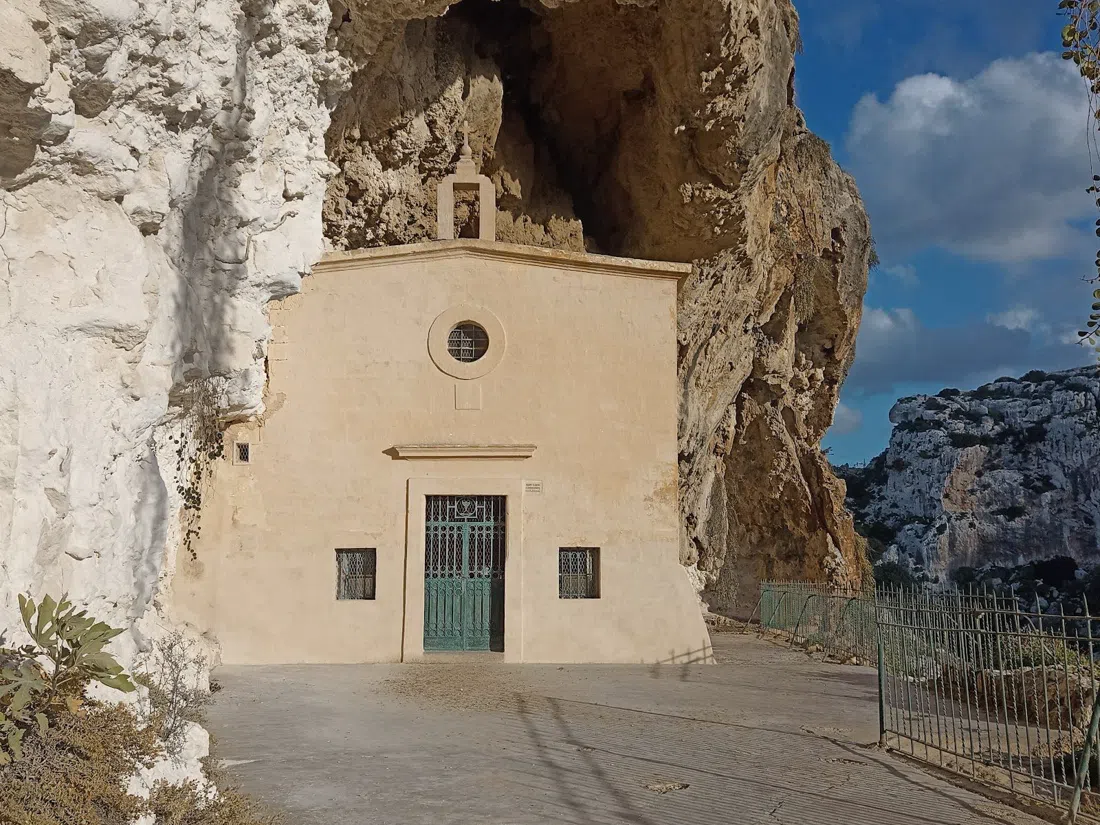
Speranza Chapel (Our Lady of Hope) and Speranza Valley (flat walk out of the edge of town) is the easy one. The interior only opens for services, so plan around the setting rather than the inside: a small country chapel, a valley path, a local legend about a girl who hid in the cave below from raiders, and the dome sitting on the skyline behind you, which is the shot most people are actually after.
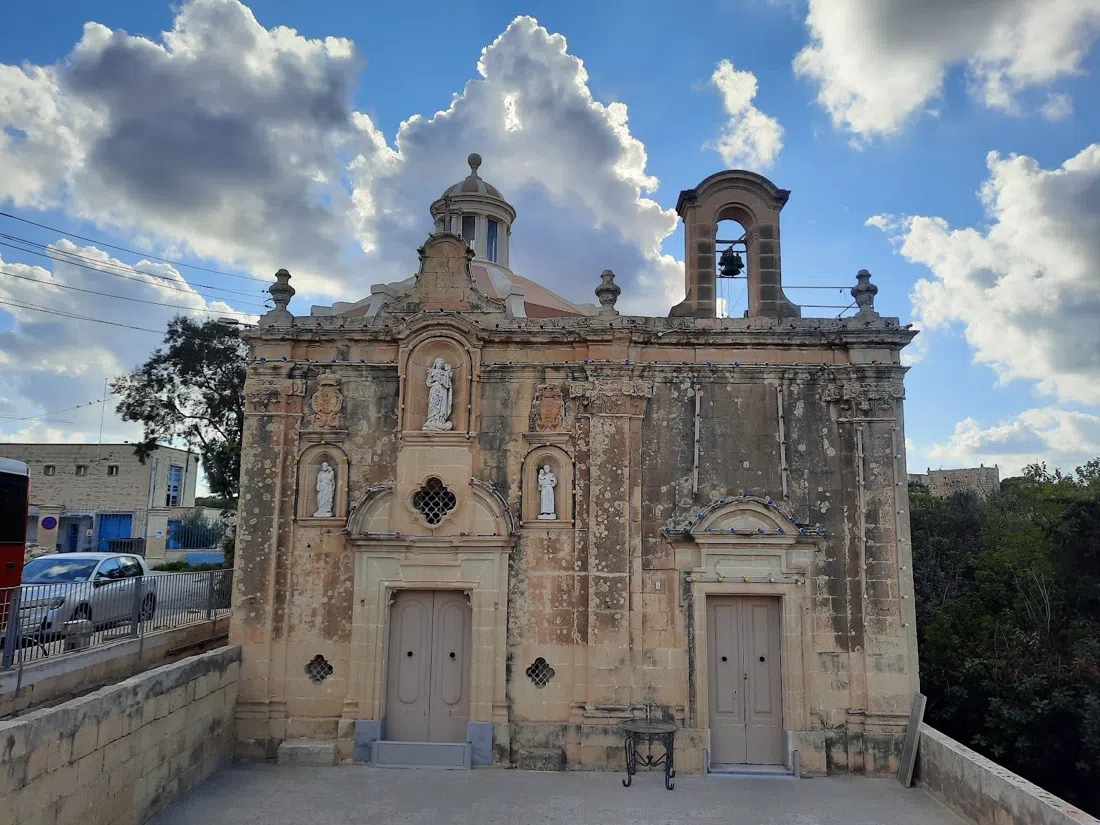
For that view properly framed, walk up to the Victoria Lines at Targa Gap (the escarpment north of town). The wall runs twelve kilometres across the island and Mosta sits directly beneath it, so the dome reads as an object in a landscape rather than a building at the end of a street. Open countryside, no gate, free. It is exposed and unshaded, which is fine for two or three walkers and hard work for a large group in summer. Fort Mosta itself is still a military depot and is not open to visitors, so do not build a plan around getting inside it.
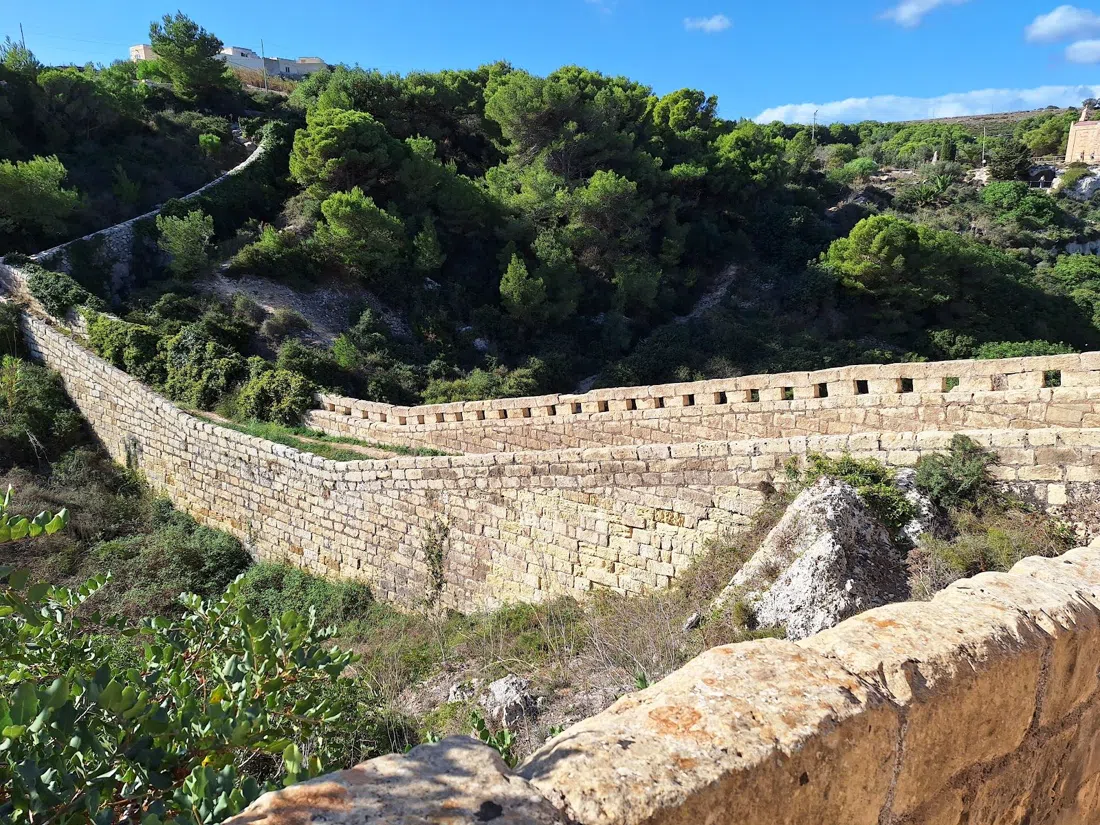
Chadwick Lakes Trail (Wied il-Qlejgħa) (the valley west of town) reopened in 2025 after a full ecological rehabilitation and now has a two-kilometre trail. Open access, no booking, wide enough for a walking group, and occasional guided walks. It is the closest real green escape to the dome, and it is a winter and spring walk, because that is when there is water in it. In August it is a dry watercourse with a path along it.
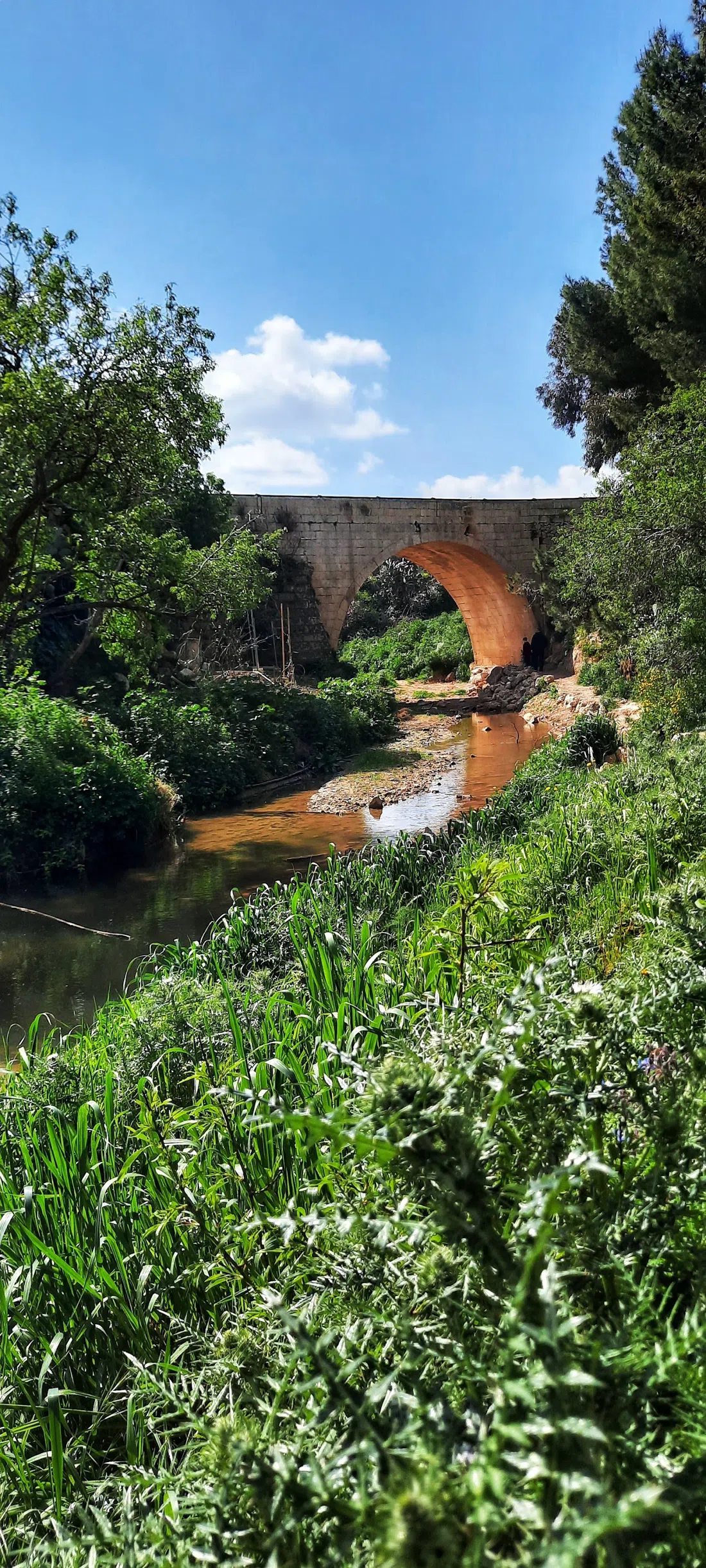
Half-days that pair with the dome
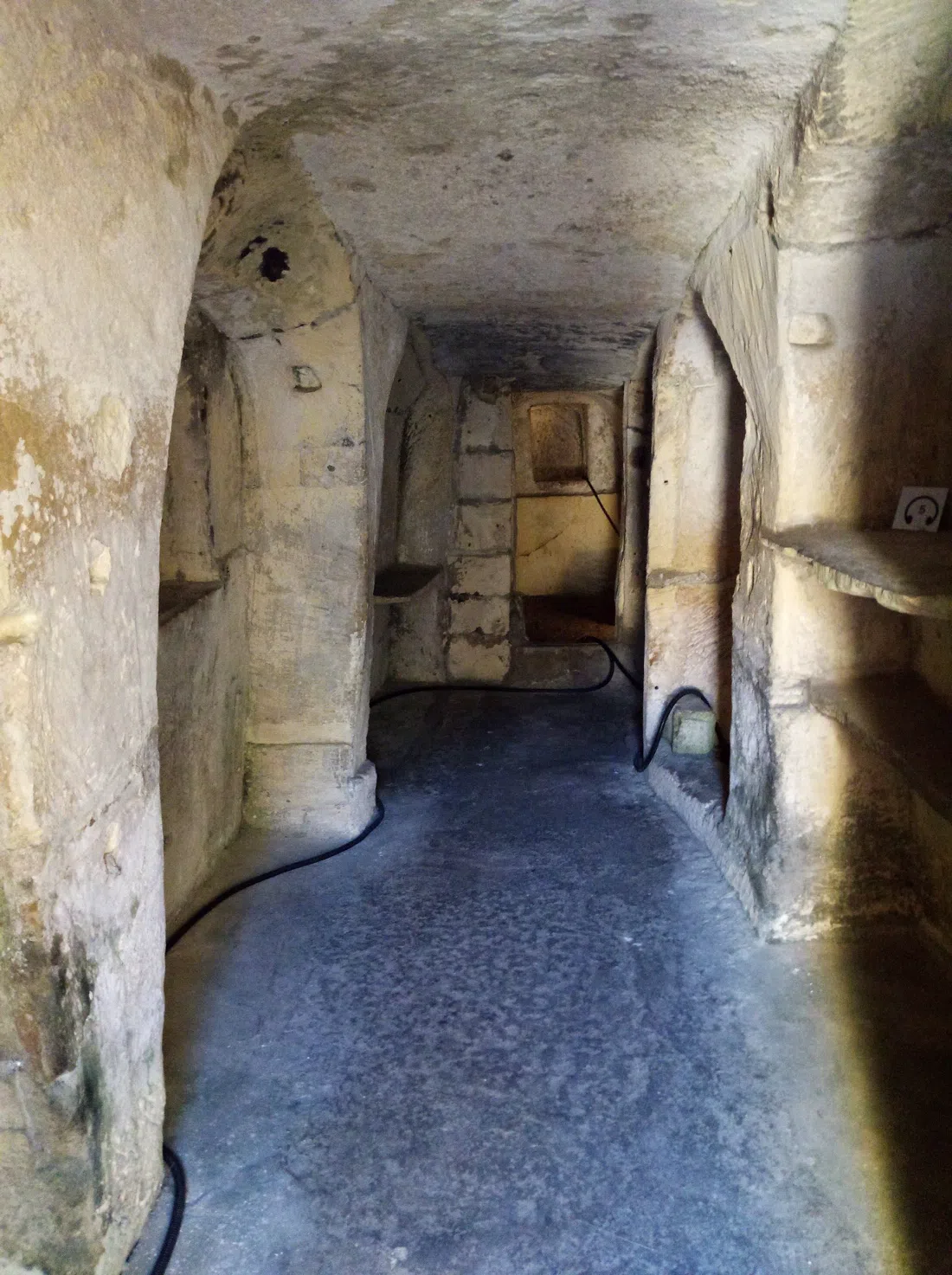
Ta' Bistra Catacombs (Heritage Malta site on the edge of town) is a large late-Roman catacomb complex and a genuine Mosta site rather than a borrowed one. The catch is the calendar: it opens to the public on a fixed monthly schedule, the last Sunday of the month, 09:00–16:00, plus occasional special openings. Entry is €5 for adults, €3.50 senior and student, €2.50 for children aged 6–11, free for Heritage Malta members, with an audio guide at €1. Group visits need arranging with Heritage Malta by phone. Check before you build a day around it.
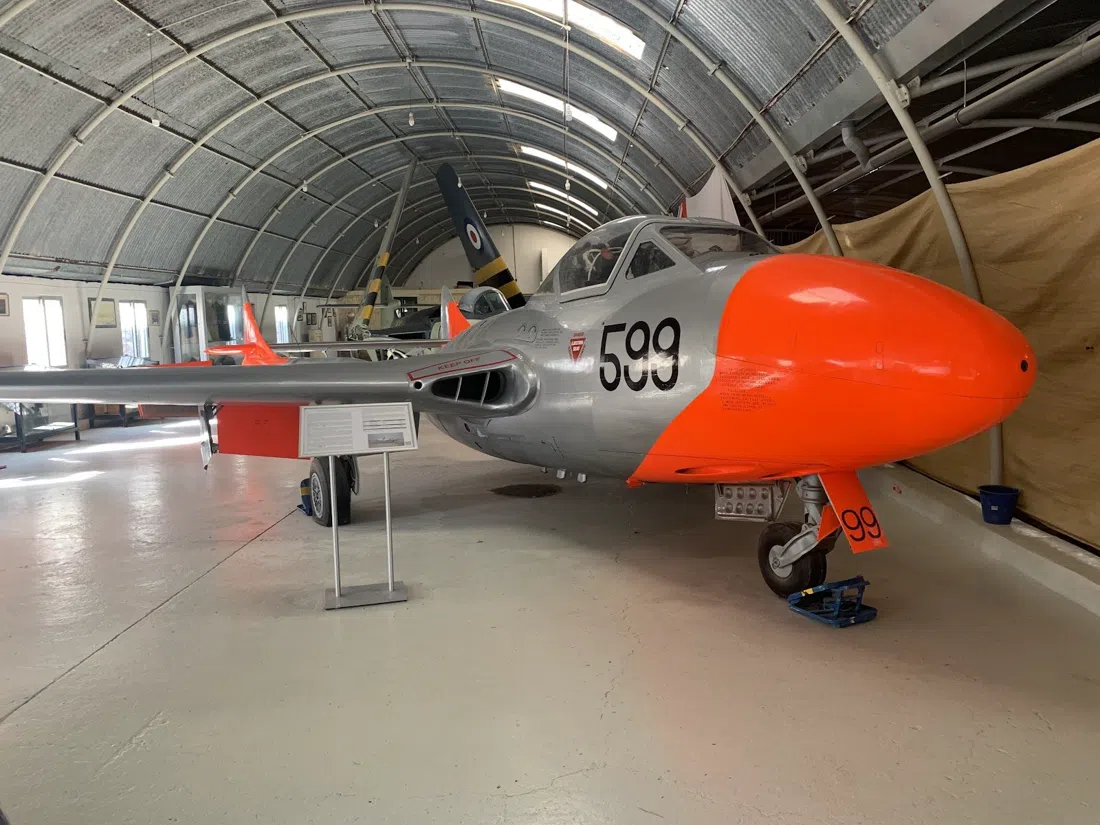
Malta Aviation Museum (Ta' Qali, a short hop from the dome) is the companion piece to the bomb story: the same 1942 siege, told from the air, through the aircraft that fought it. Adults €9, seniors and students €7, children aged 3–12 €3, with discounts for educational groups and free parking for cars and coaches. Open Monday to Saturday 09:00–17:00 and Sunday mornings only, which is the reason to pair it with an early dome visit rather than a late one.
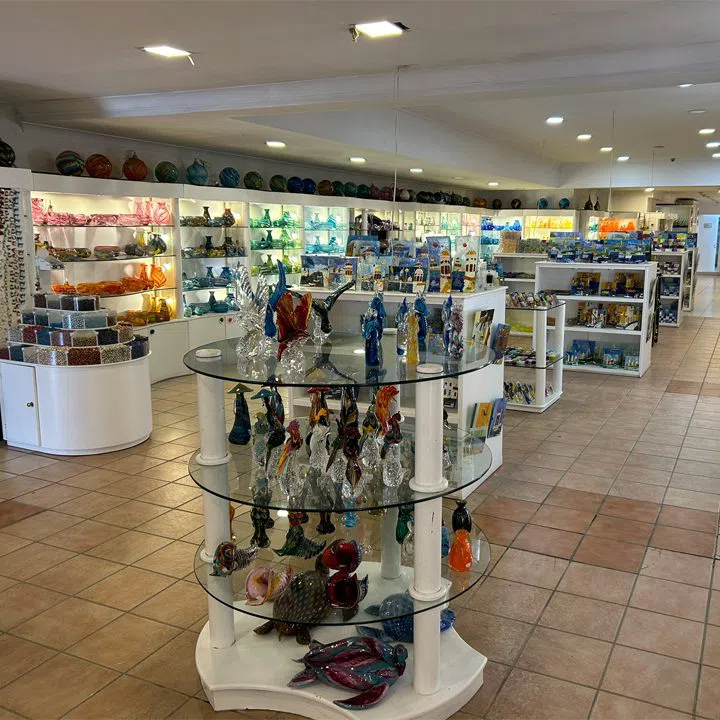
Mdina Glass, Ta' Qali (craft workshop and showroom, ten minutes from the dome) runs a live glassblowing floor you can watch from a built viewing area, free, no booking, groups welcome. Open Monday to Friday 09:00–16:30 and Saturday to 14:00. Pieces start around €10 and run to several hundred. Come for the hot floor. The surrounding crafts village is only partly tenanted and does not carry an afternoon on its own.
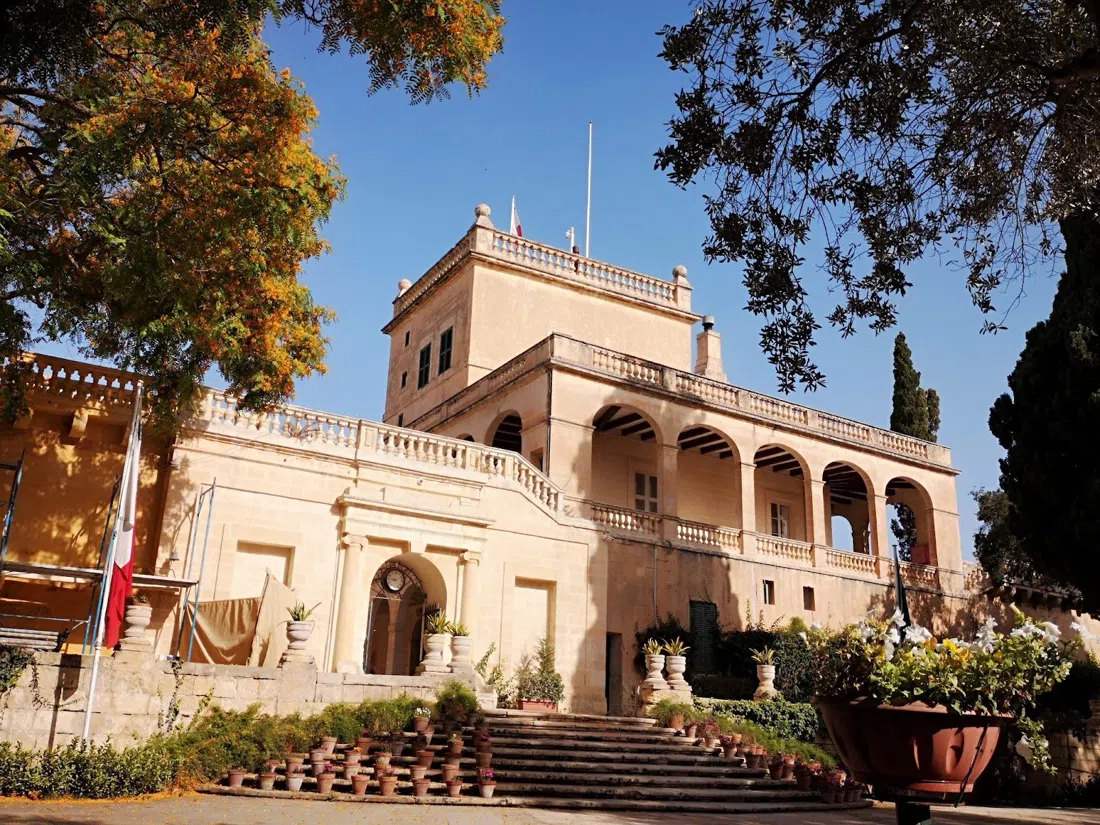
San Anton Gardens, Attard (public gardens, a short ride from Mosta) is the shaded half of the day, and after a few hours of limestone glare you will want it. Free, no booking, open since 1882, and large enough to absorb a group without anyone noticing. The palace itself is not open.
Best time to go
Go in the morning. The church is quieter before the coach parties work their way inland, the light through the lantern is doing something worth looking up at, and you still have the afternoon for the walk out to the valley or the Victoria Lines. Late afternoon is the second-best slot, once the tour traffic has moved on.
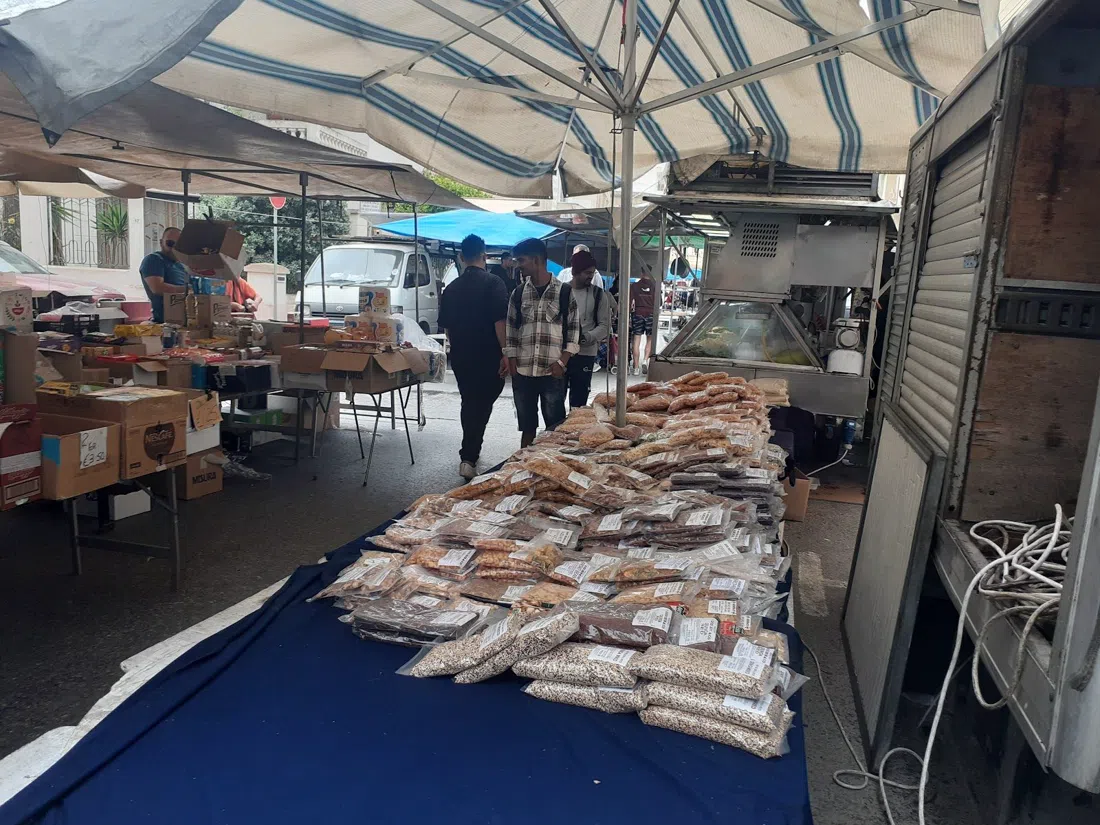
Avoid Monday mornings unless the market is the point. The Mosta Monday Market (il-Monti) (the streets beside the Rotunda) runs roughly 06:30–13:00 on Mondays and is a local market rather than a tourist one, free to wander and worth timing a visit around if you like that sort of thing. It also means parking near the church is at its worst and the lanes are narrow and crowded, so a group should expect to string out in single file.
By season: October to April is the comfortable window for anything that involves walking to the valley chapel, the Speranza path or the Victoria Lines, and it is the only window in which Chadwick Lakes has water. Summer inside the basilica is fine, because the drum is cool, but the outdoor half of the route is unshaded and hot enough to shorten. If you are here between July and September, look at the Tuesday and Friday Mosta Sera evenings instead and do the dome after dark.
Whatever day you choose, check Mass times before you travel. Everything else here is flexible; that is not.
Is it worth the trip out
Yes, with a condition. If you want a church and a story, forty-five minutes and five euro is straightforwardly good value, and it is a rare interior where the single architectural fact, no supports, is legible to someone who knows nothing about buildings. If you make the trip inland only for that, you will be back on the bus within the hour wondering whether it justified the journey.
Build the route instead. The eight-euro ticket, an hour on the square, the walk down to the cave chapel or out to the escarpment, and either a table at Mellows or an evening at Ta' Marija make a full, unhurried day that does not repeat anything you can get on the coast. It suits history readers, walkers and anyone travelling with a mixed group, because the church, the market, the gardens and the glass floor all work for different people on the same day. Couples do well on the quiet end of the week and less well on a folklore night, which is loud by design. Families are fine too, provided someone checks the museum's Sunday-morning-only hours first.
What it does not suit is a tight schedule. The bus is indirect, the church shuts for services without warning, and the catacombs open one Sunday a month. This is a day to leave loose.
Practical notes before you go
Service buses run inland from the St Julian's corridor; check current route numbers and times on the operator's planner on the day. The hop-on hop-off north route is around €20–25 for the day and stops at the basilica. Parking near the church is difficult on Mondays and awkward the rest of the week.
Carry some cash. Pastizzi are a coin transaction, the chapels and the walking routes cost nothing, and the basilica desk is €5 or €8 depending on the ticket. Budget roughly €25–35 a head for a full day with lunch and one paid museum, or €60–90 if you add the folklore dinner show.
Plan on a morning arrival, 45–90 minutes in the basilica, an hour for lunch, and two to three hours for the walk or a paired site. Mass closes the church to visitors. The aviation museum is Sunday mornings only. Mdina Glass shuts at 16:30 on weekdays and 14:00 on Saturday. Ta' Bistra opens on the last Sunday of the month, 09:00–16:00.
Bring water, sun cover, and shoes you can take down rock steps. Earphones for the audio guide. Shoulders covered for the basilica.
For where to base yourself, start with the St Julian's hotel search. The rest of the coast (the bays, the promenade walk and where to eat when you get back) is covered in the St Julian's guide.