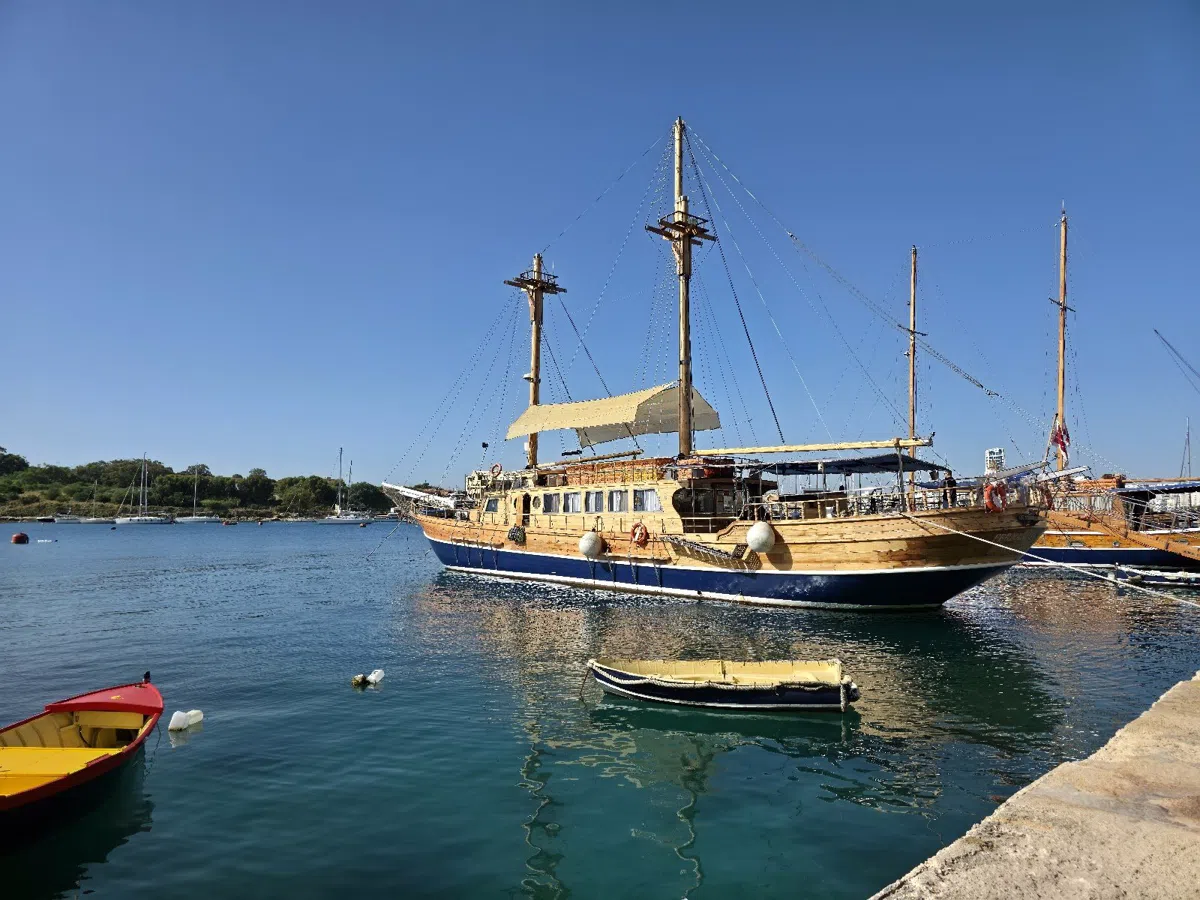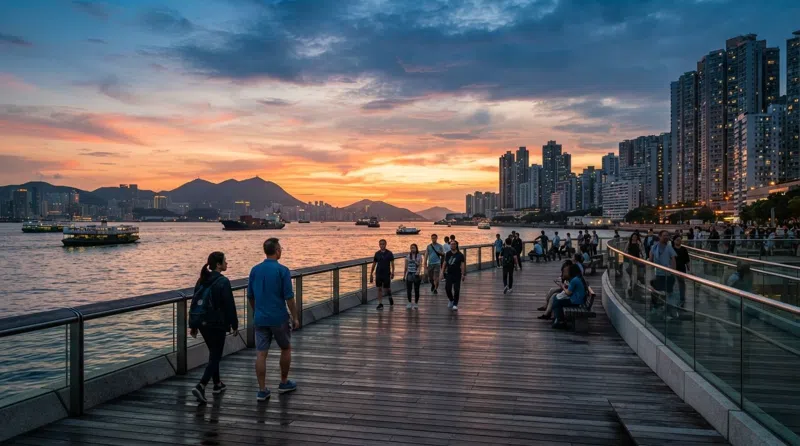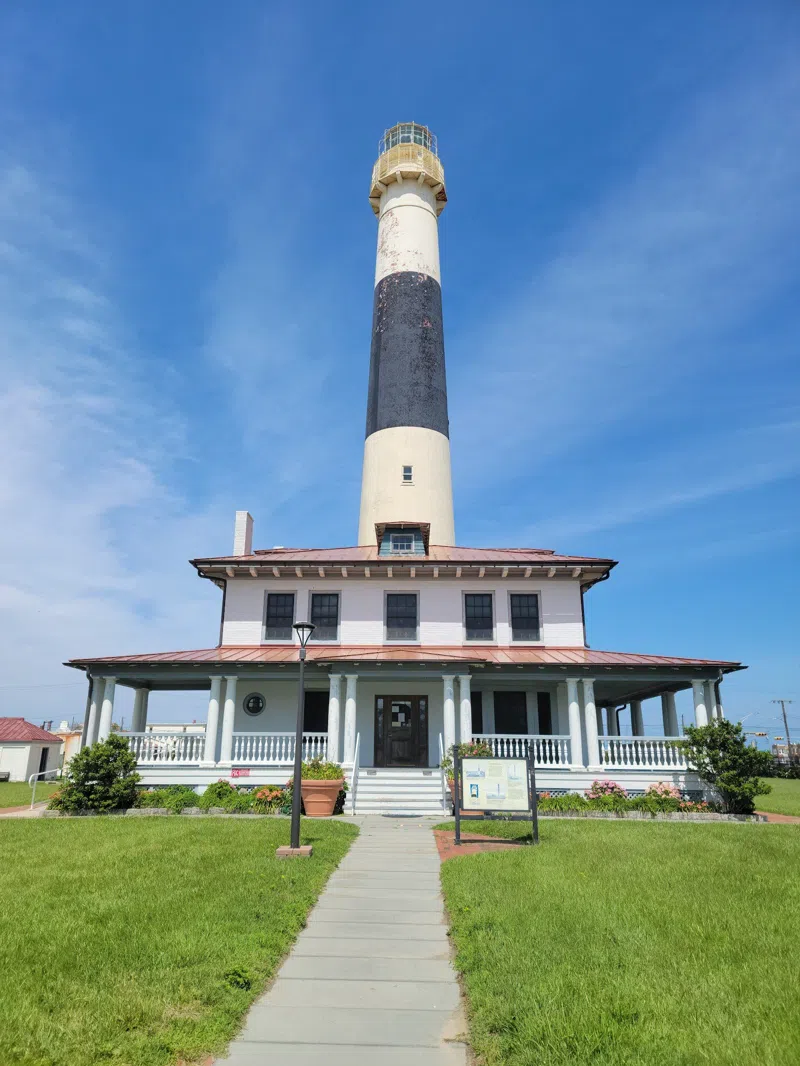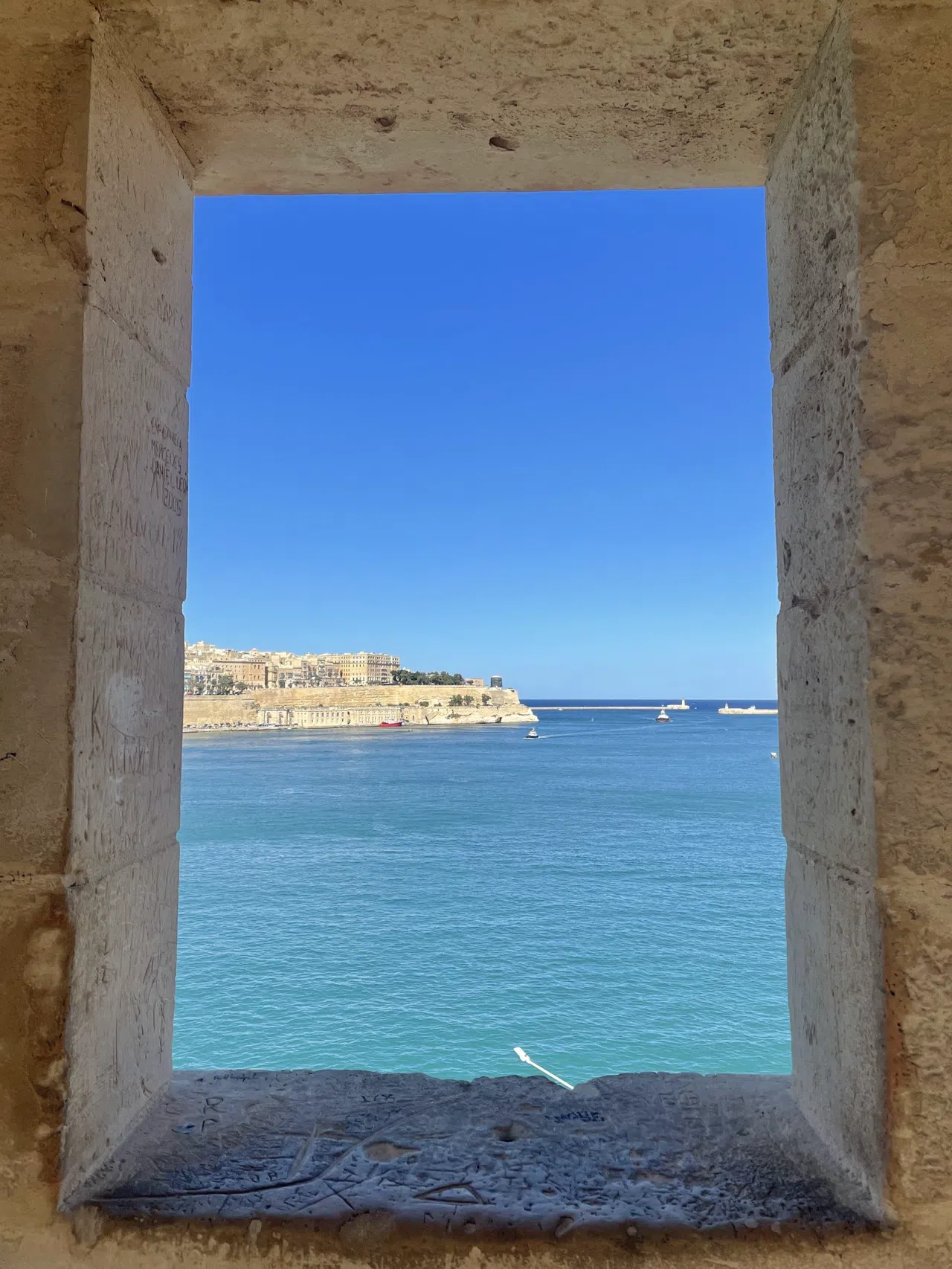
The crossing takes about ten minutes, and for most of them you are looking at a wall. Senglea ends in a bastion that comes straight up out of the Grand Harbour, with a small stone watchtower on the corner carved with an eye and an ear, the image most visitors are already carrying before they arrive. Step ashore underneath it and the town behind turns out to be an ordinary one: narrow streets, cats on doorsteps, a grocer with crates on the pavement, and fewer people than in the two towns either side of it.
What you actually see in Senglea
Senglea, or L-Isla in Maltese, is a peninsula rather than a quarter of a town. It is a single finger of land with a fortified gate at the landward end and a viewpoint at the tip, and that geography is the whole visit. One spine runs down the middle, a handful of cross-streets drop to the edges, and there is water on both sides: the creek towards the dockyard on one flank, the open harbour and the Valletta skyline on the other.
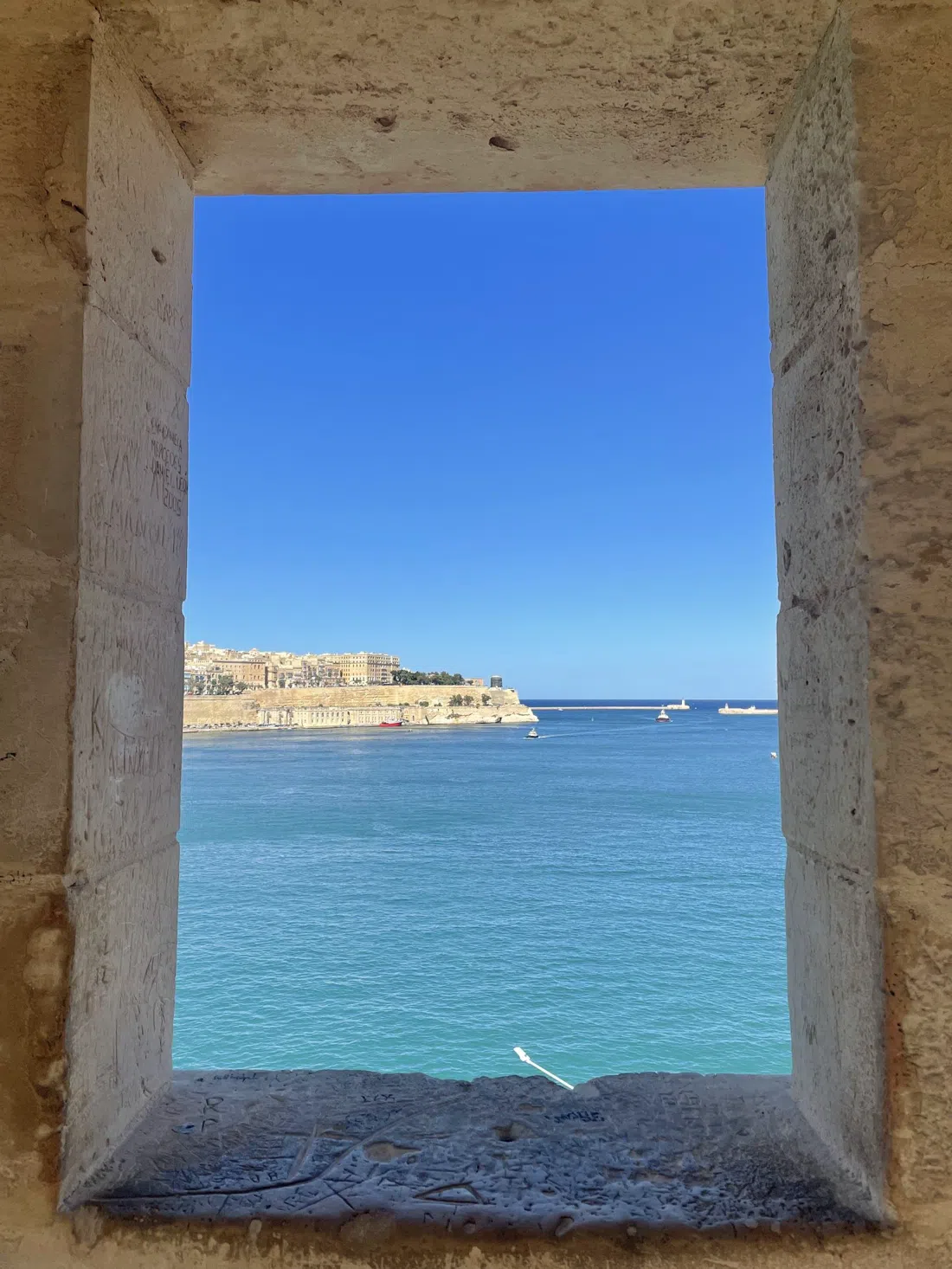
What you do here is walk and look. There is no ticketed attraction in Senglea itself, so there is no turnstile, no timed entry and no queue to join. The draw is Gardjola Gardens (Ġnien il-Gardjola), the small public garden at the very point of the peninsula, and the vedette watchtower built into its corner, looking down the harbour towards the breakwater and across to the Valletta bastions. It is free and open as a public space. The terrace that holds the vedette is small, though. A party of more than eight or ten has to take turns for photographs, and when a coach group arrives there is no second terrace to spread into, so you wait or you come back.
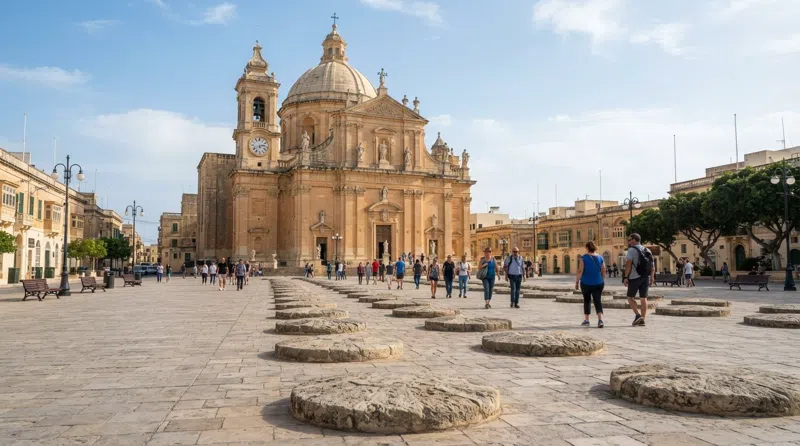
Inland from the gardens, the parish church is the other fixed point. The Basilica of the Nativity of Our Lady, Il-Bambina sits a few minutes' walk up from the gardens in the middle of the town. It was rebuilt after Senglea was bombed in the war and raised to basilica status in 1921. Visitors are welcome outside Mass, entry is free with a donation box inside the door, and the usual rules apply: shoulders and knees covered, and no walking a tour group in mid-service. If a Mass is running when you arrive, keep to the aisles and stay quiet, or spend twenty minutes on the waterfront and come back. For how this fits alongside the rest of a Malta trip, the St Julian's guide covers the bases you would be working out from.
The walk from the gate to the water
Treat it as one route. An hour and a half covers it without stopping; three hours is realistic with the church, a long look from the vedette and lunch.
Start at the top, which is the part most people skip because the ferry drops them at the bottom. Triq il-Vitorja and Senglea Gate, Victory Street and the bastion entrance at the landward end, is the spine of the town and the reason the place does not read as a museum set. Laundry across the gaps, doorstep conversations, band club posters, corner grocers. It is a public street and walking groups are fine, but the pavements narrow to nothing in several stretches, so you end up single file and occasionally stepping into the road for a car.
Walk the spine to the point, take the gardens, then drop back down to sea level for the Senglea Waterfront promenade, Xatt Juan B. Azzopardi, which runs from the ferry landing round to the gardens at the tip. It is about fifteen minutes end to end. It is the same town seen from underneath: you are below the bastion rather than on it, level with the boats, looking up at the wall you were standing on twenty minutes earlier. High walk first, low walk second, is the order that makes sense of both.
Getting across the harbour
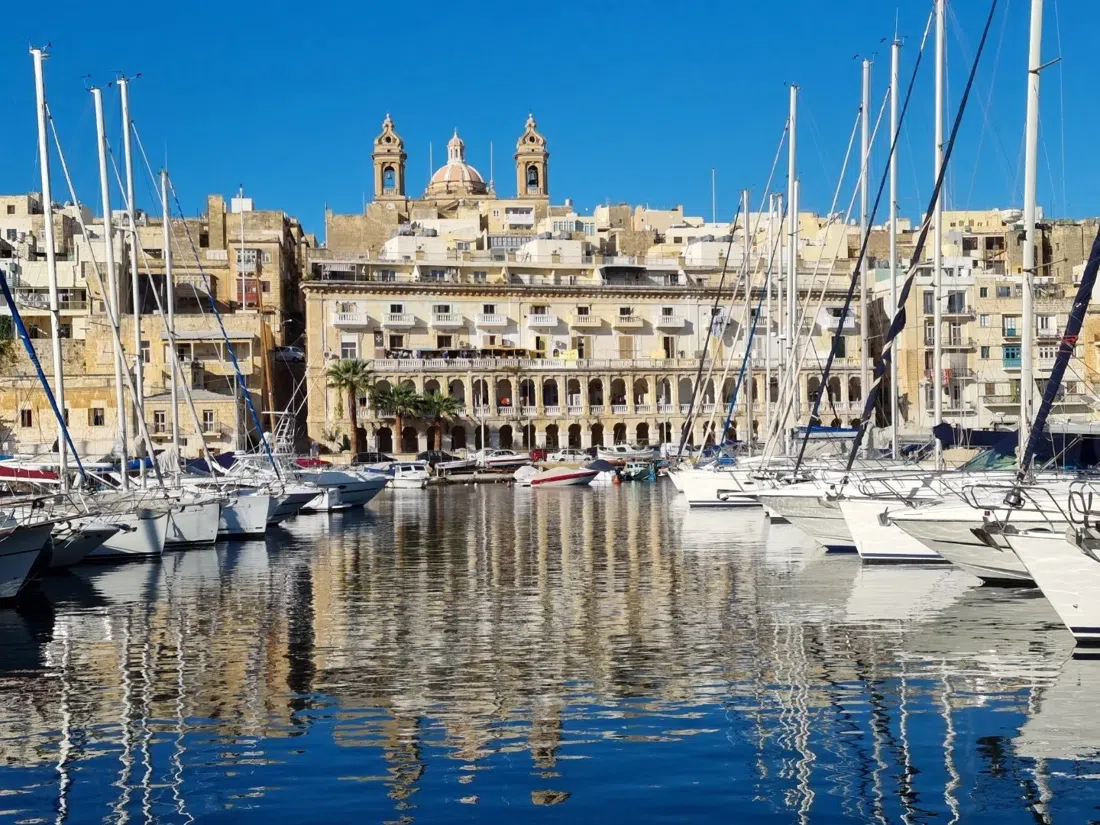
Valletta Ferry Services runs the Three Cities crossing and lands a short walk from Senglea's quay. It is walk-on with no booking: €1.50 single, €2.80 return, with a higher fare after 19:30. Boats go roughly every half hour through the day and the trip is about ten minutes. A large group at a peak sailing may have to split across two boats, since there is no reserving space. It is also the best-looking way in, because you approach the fortifications from the water instead of arriving behind them.
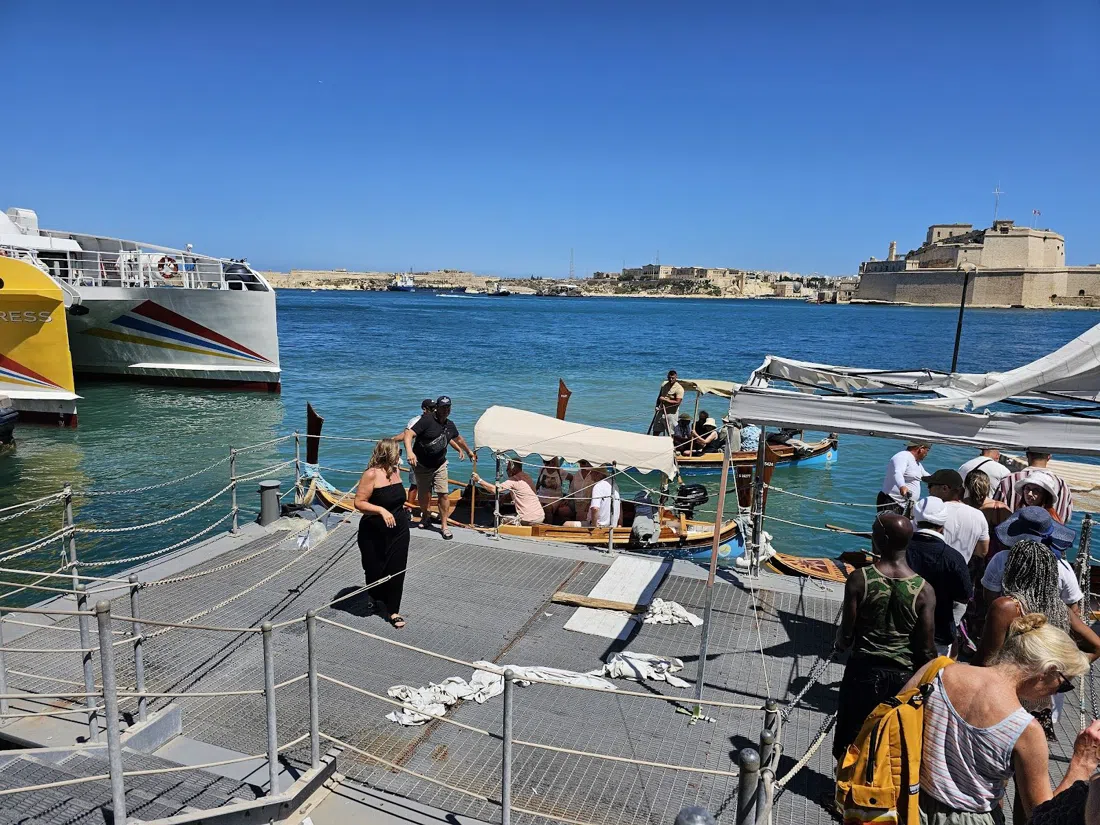
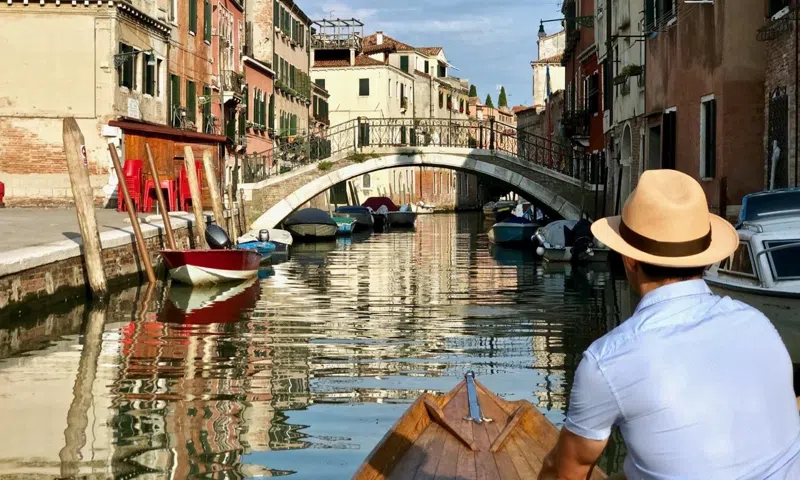
The slower option is better. Grand Harbour Tours, run by Koperattiva tal-Barklori, is the harbour boatmen's cooperative working the traditional dgħajsa off the Three Cities quays, around €3 per person one way, cash, with longer harbour tours priced separately. Each boat seats roughly eight to ten, so a larger group gets divided across several hulls and it is worth arranging ahead. These are the boatmen's own boats rather than a tour brand's, and the waterline view into the creeks is worth a good deal more than the fare.
Coming down from the Valletta side on foot, the Barrakka Lift at Lascaris Wharf connects the ferry landing with Upper Barrakka Gardens: 25 seconds instead of a long climb, €1 for a same-day return, free with a Tallinja card. Cabins take 21 people and it moves around 800 an hour, so groups clear quickly. It is the obvious first or last move of the day for anyone arriving by ship.
From St Julian's the practical shape is a bus or taxi into Valletta, the lift down to the wharf, then the ferry. There is public transport the whole way, but route numbers and interchange points change often enough that it is worth pulling up the live timetable on the day rather than trusting a number printed months earlier.
The forts and museums across the creek
Senglea alone is a half-morning. Most people pair it with the town across the water, where the ticketed sites are.
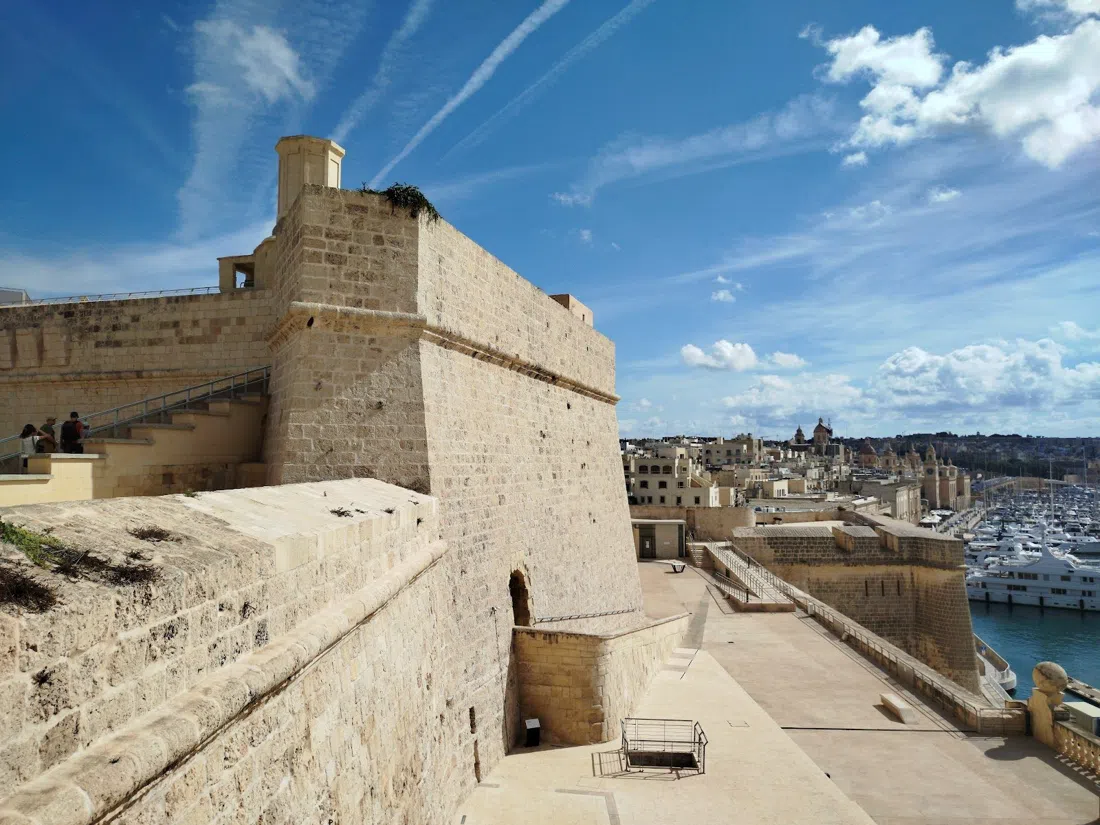
Fort St Angelo in Birgu, run by Heritage Malta, is the counterweight to the Senglea bastion and the one that takes real time, so allow two hours. Entry is €10 adult, €6 youth, senior or student, €4 for children 6-11, under-6 free. There are audio guides in seven languages, a gift shop and a café, and it handles groups without trouble. The upper fort is reached by stairs only, so it does not suit everyone in a mixed party; work out in advance who is stopping at the lower levels.
The Inquisitor's Palace in Birgu, also Heritage Malta, is €6 adult, €4.50 concession, €3 for children 6-11. It is one of very few surviving Inquisition palaces open to the public anywhere in Europe. The rooms are small, so a large party moves through in waves rather than together, and the uneven floors and low lighting make it a poor choice for anyone with limited mobility.
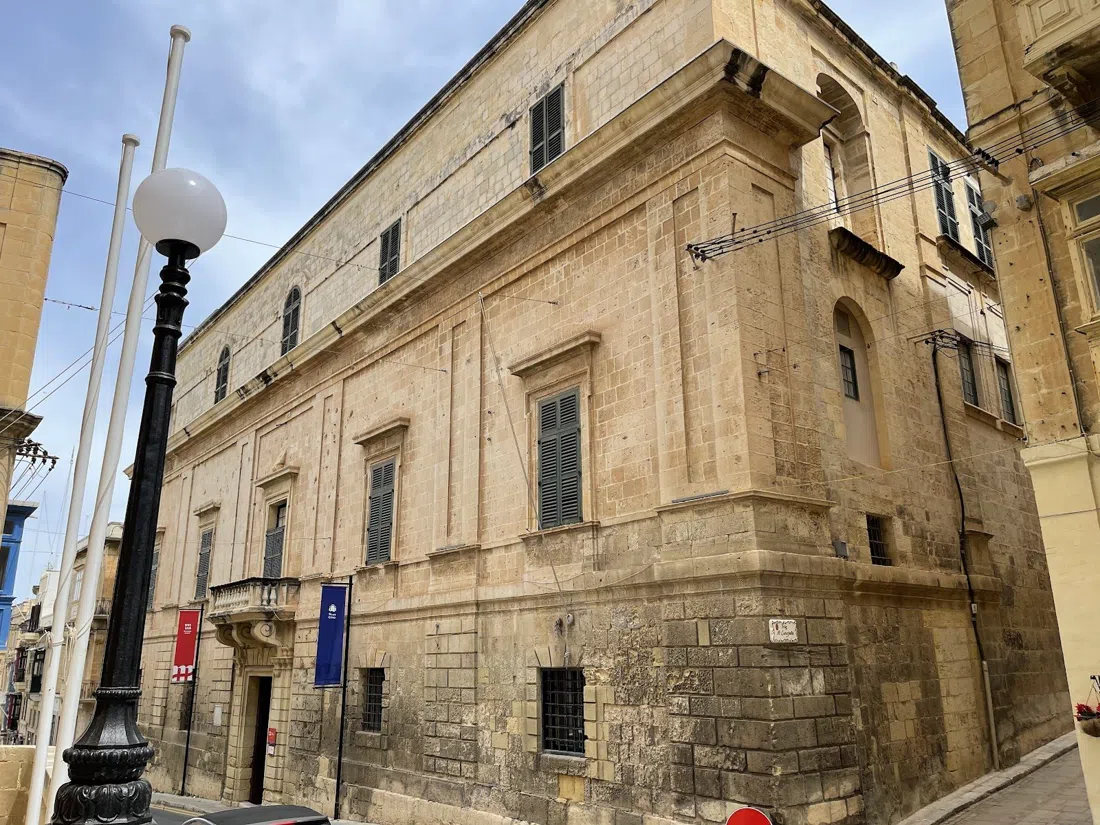
The Malta at War Museum in Birgu explains why these towns look rebuilt. It is a deep air-raid shelter cut into the rock, entered in guided batches, which matters for timing if you are more than a few people. It is €14 adult, €12 concession, €8 for children 7-15, under-7 free. It closes on Sundays and public holidays, and last admission is 16:00.
Two other options are worth knowing about. Bir Mula Heritage in Bormla is a private heritage house with an unpolished social history of the dockyard towns, open reliably only on Saturday and Sunday from 10:00 to 12:00 or by appointment arranged in advance by SMS or email, for a small donation, and only for small groups. And Rolling Geeks in Birgu rents self-drive GPS cars that cover all three towns including Senglea in about two and a half hours, with commentary in eight languages, roughly €50 to €120 per car depending on duration, driver 21 or over with a valid licence, several cars running in convoy for a group. It is closed on Tuesdays. If the hills are the problem, this solves the problem.
Where to eat on the two waterfronts
Cugó Gran Macina Malta, The Little Bastion, sits on the Senglea waterfront in the Macina, a genuine Knights-era engineering building, so even a drink there is a way into the town's history rather than only a view. It is a boutique hotel with a restaurant and rooftop; mains run around €25 to €40, rooms are high-end. The restaurant takes bookings and can be privately hired, but the property is small and suits small groups rather than coach parties.
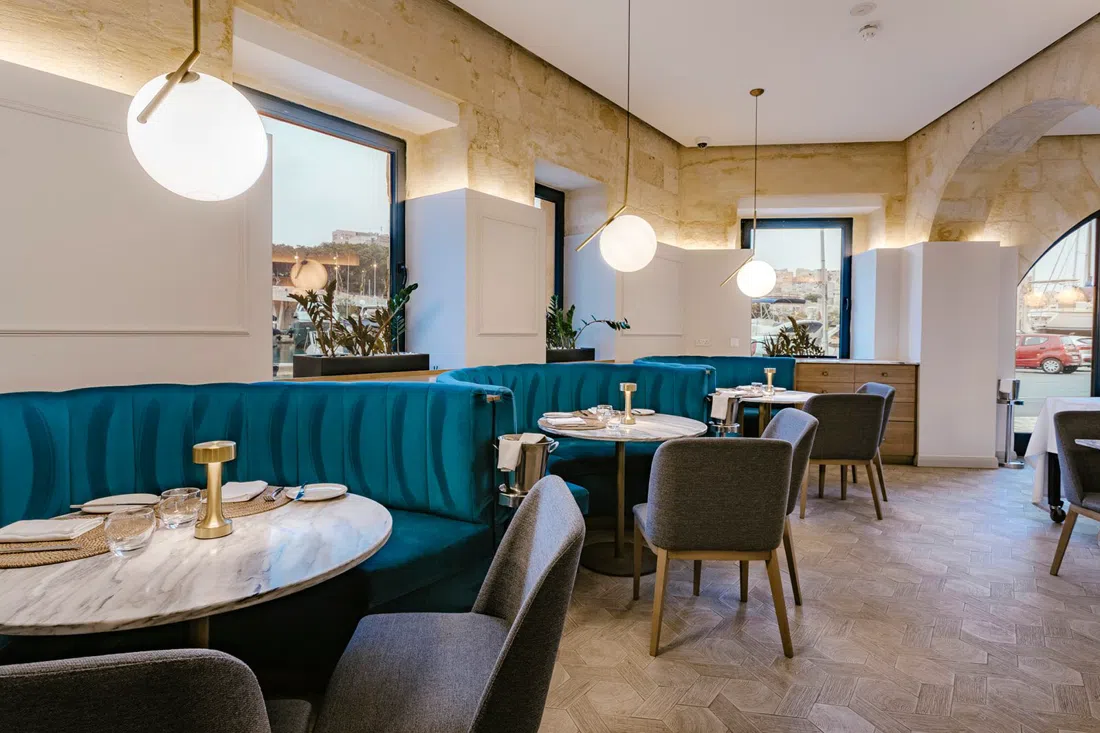
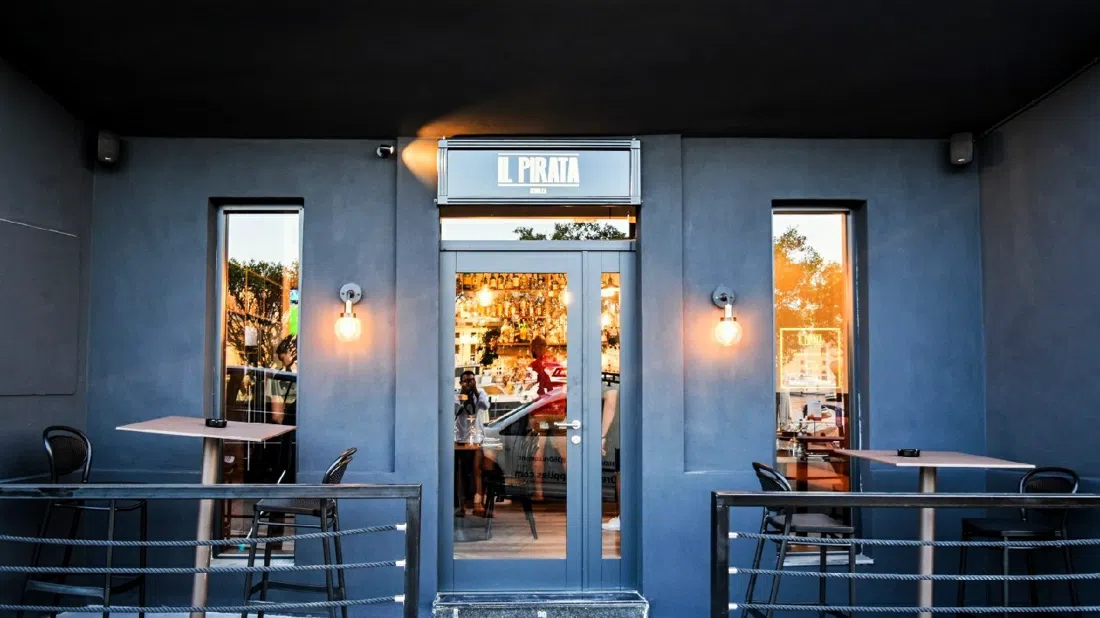
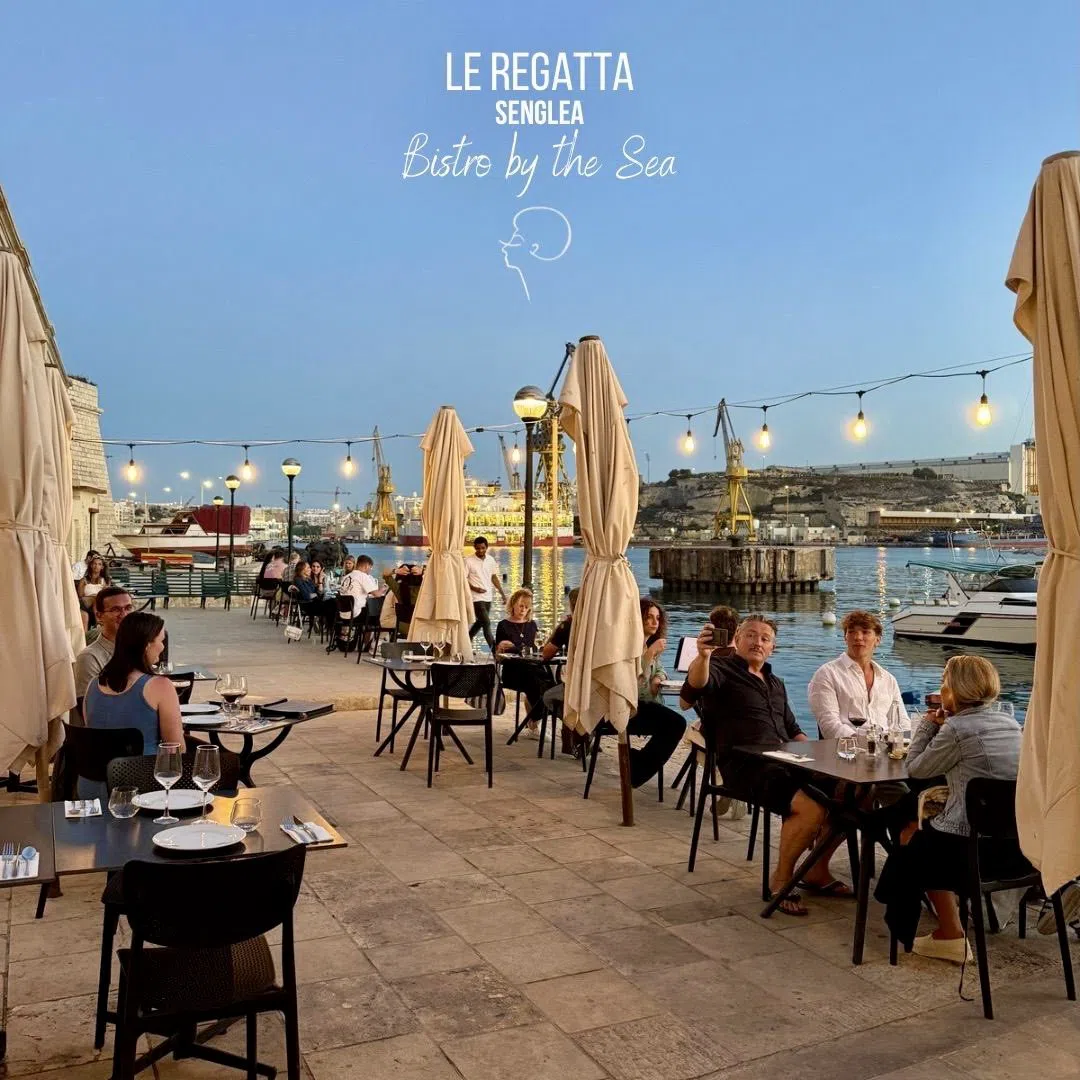
Le Regatta is right at the point below the gardens, with mains around €18 to €30, and it can be taken over for corporate events with a booking. Check the days before you walk down: it is closed Mondays and Tuesdays and serves dinner only on Wednesdays. Il Pirata Senglea is the reliable alternative on the same water, pizza and pasta around €12 to €22, open lunch and dinner, happy with groups and families, so reserve if you want a waterfront table. The harbour does the work there.
Over in Birgu, the Vittoriosa Waterfront and Grand Harbour Marina is the obvious lunch stop between the two towns. Walking it is free, eating on it runs €20 to €45 a head, and the restaurants along the quay all take group bookings, so reserve for dinner in summer. The view back to the Senglea bastion from this side is the one most people never take.
Tickets, queues and whether to book ahead
For Senglea itself there is nothing to book and nothing to queue for. The gardens, the street, the promenade and the basilica are all free and open, and the only crowding you will meet is on the vedette terrace when a coach arrives.
The museums across the creek sell at the door and rarely have a serious line outside school holidays. The two that need planning are Malta at War, because of the 16:00 last admission and the batched shelter descent, and Bir Mula, which is appointment-led rather than walk-in.
Guided options exist if you would rather not assemble the day yourself, and they are attached to this page as a separate card. Read the demand honestly before you decide: there are 459 traveller reviews across the bookable tours here, and the top-rated one holds 5.0 out of 5 from 177 reviews. That same tour is a private, fully customisable island day starting from 270 USD per person, and specific departure dates are already sold out, 19 to 24 September 2026 among them, with 52 further dates gone, while other dates remain bookable. If your trip is short and fixed, check those dates early. If it is flexible, the ferry, the lift and your own feet cost under €5 and cover Senglea properly.
Access, doors and group realities
Nothing in Senglea has a door policy. The pressure points are physical rather than social. The vedette terrace holds a handful of people at a time, and the main street's pavements force single file. The basilica expects covered shoulders and knees and quiet during services. The upper levels of Fort St Angelo are stairs only, the Inquisitor's Palace has uneven floors and low light, and the shelter at Malta at War is a descent. Between the ferry landing and the gardens the ground is manageable, but Senglea is a hill town on a ridge, and the climb from the waterfront to Victory Street is real. Two people on a quiet weekday will move through all of it easily. A party of twenty needs a plan for the terrace, the boats and the small rooms.
Is Senglea worth the crossing
Yes, with a caveat about expectations. If you want a list of things to tick off, Senglea is thin, one garden, one church, one street, one quay, and the ticketed weight of the day sits in Birgu. If you want to see what a Maltese harbour town is actually like when it is not performing, Senglea is the one that still isn't. It suits walkers, photographers, people who like fortifications, and anyone happy to spend an hour doing very little at sea level. It suits families less well than the museums across the creek do, and it suits a coach party worst of all, because the best thing in it is a terrace that fits ten.
Best time to go
Early morning or late afternoon for the gardens, without exception. The terrace is small and midday coach groups fill it; at either end of the day you may have the vedette to yourself, and the light is better in both directions. Mid-morning is the sweet spot for the church, after the early Mass and before lunch.
By day of the week: avoid a Sunday if the war shelter is on your list, since it closes then and on public holidays. Avoid Monday and Tuesday if you were counting on the restaurant at the point, and avoid Tuesday if you wanted the self-drive cars. Saturday and Sunday mornings are the only reliable window for the heritage house in Bormla.
Seasonally, this is an evergreen walk, and the streets and the promenade work all year. The bastion, the terrace and the quay are all open to the sun with very little shade, so in the hot months do the walking early, eat through the middle of the day and come back for the light. In the cooler months the same route is comfortable at any hour, and the ferry deck is a good deal less crowded.
Practical notes
Transport. Ferry €1.50 single, €2.80 return, higher after 19:30, roughly every half hour, about ten minutes, no booking. Barrakka Lift €1 same-day return, free with a Tallinja card. A dgħajsa across is about €3 per person one way. From St Julian's, go via Valletta and check the live bus times on the day.
Cash. The boatmen's co-op works in cash; carry small notes. Museums and restaurants take cards.
Timing. Senglea alone: 1.5 to 3 hours. Senglea plus Fort St Angelo: half a day, with two hours for the fort. All three towns with two museums and lunch: a full day, and you will still be moving at the end of it.
Budget. A self-guided day using the ferry both ways, the lift, one museum and a €20 lunch lands around €35 a head. Add the fort, the Inquisitor's Palace and the war museum and you are near €55 before food. The walking, the gardens, the basilica, the street and the promenade are free.
Base. Most people do this as a day out from elsewhere on the island rather than staying in the Three Cities; if you are weighing where to sleep, start with the St Julian's hotel search and treat the harbour as a morning out.